Gut Bacteria May Shape How Fast the Brain Ages, New Research Suggests
Emerging research published in October 2026 suggests that the composition of gut bacteria plays a significant role in determining how quickly the brain ages. Scientists found that certain microbial profiles are associated with slower cognitive decline, while others correlate with faster deterioration. The findings point to the gut-brain axis as a potential target for future interventions to protect brain health.
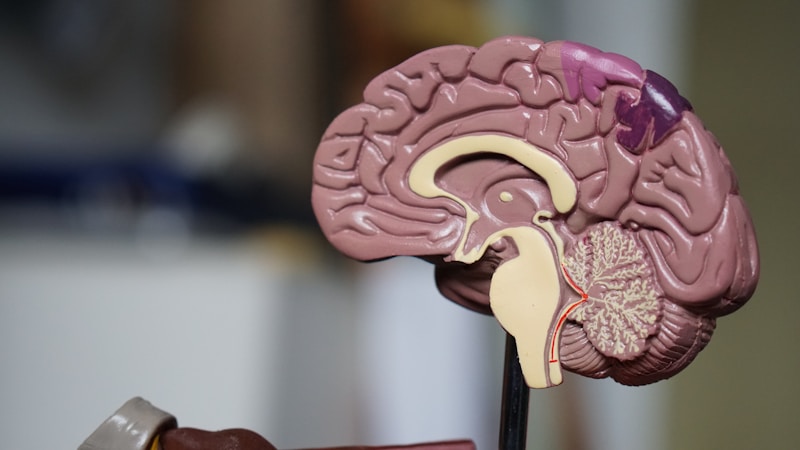
New research published in October 2026 suggests that the bacteria living in the gut may influence how fast the brain ages, adding to evidence that the gut-brain connection is a key factor in long-term cognitive health.
Scientists studying the gut-brain axis found that people with certain microbial profiles showed slower rates of cognitive decline, while those with different bacterial compositions experienced faster deterioration. The research builds on earlier work linking gut health to inflammation, mood, and neurological function.
The gut-brain axis refers to the two-way communication network between the gastrointestinal tract and the central nervous system. Gut bacteria produce compounds that can cross into the bloodstream and affect brain function, including neurotransmitters and short-chain fatty acids that influence inflammation.
Researchers said the findings do not yet point to a specific probiotic or dietary intervention that can slow brain aging. But they suggest that maintaining a diverse gut microbiome through diet, exercise, and avoiding unnecessary antibiotics may have long-term benefits for cognitive health.
The study is part of a broader shift in Alzheimer's and dementia research away from a sole focus on amyloid-beta plaques toward a wider range of biological drivers, including vascular damage, protein buildup, and now microbial influences.
Scientists cautioned that the research is still in early stages and that more work is needed to establish whether gut bacteria directly cause changes in brain aging or simply correlate with other health factors. Clinical trials testing microbiome-based interventions for cognitive health are expected to follow.