How Olivet Baptist Church Welcomed Black Migrants During the Great Migration
Chicago's Olivet Baptist Church, founded in 1850, served as a critical anchor for Black migrants fleeing Jim Crow during the Great Migration, providing housing, childcare, and social services. At its peak, the church boasted over 10,000 members and was considered the largest Protestant church in the world. Today, Pastor John L. Smith is working to reclaim the church's community-minded legacy through a $157 million development called Trinity Square.
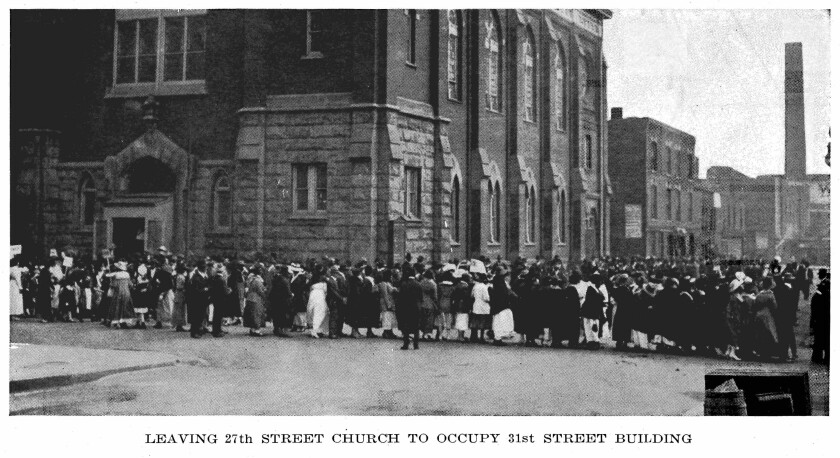
During the first wave of the Great Migration, Black Americans migrated from the South to Northern cities like Chicago to escape Jim Crow and find work. Olivet Baptist Church, founded in 1850, became a critical anchor for these migrants.
**Faith Rooted in Action**
As Chicago's second-oldest Black church, Olivet provided a community hub for housing, childcare, and kindergartens, evolving into a quasi-social services organization. Under Pastor Lacy Kirk Williams in 1916, Olivet expanded its role to address migrants' needs. Princeton professor Wallace Best noted its influence as a model for integrating spiritual and material support.
At its peak, Olivet boasted over 10,000 members and was considered the largest Protestant church in the world at the time. The church's growth was directly tied to its community-focused ministry.
**Four Generations of Faith**
Irene Napier, a 93-year-old member since 1952, recalled arriving in Chicago to join her sister and aunt, both Olivet members. "I was looking for opportunity," she said, becoming a nurse and raising her children in the church. Four generations of her family remain tied to Olivet, despite its shrinking membership of now approximately 100 active members.
**Decline and Renewal**
Pastor John L. Smith, the current leader, attributes the church's decline to social policies and housing segregation. Urban redevelopment projects like Prairie Shores and Lake Meadows displaced long-time Black residents, reducing the congregation.
**Keeping Bronzeville Bronze**
Smith seeks to reclaim Olivet's role through Trinity Square, a $157 million development on the church's land. The project includes affordable housing, a daycare, food pantry, and clinic to support Bronzeville's historically Black community. "Keep Bronzeville bronze," Smith said, aiming to preserve the community's heritage amid modern development pressures.