New Student Loan Rules Cut Grad PLUS Program and Replace Income-Driven Repayment Plans
Major changes to the federal student loan system took effect July 1, 2026, under the One Big Beautiful Bill Act passed in 2025. The grad PLUS loan program ended for new borrowers, new annual and lifetime borrowing limits were set for graduate and parent PLUS loans, and income-driven repayment plans were replaced by a new Repayment Assistance Plan. Borrowers enrolled in autopay now qualify for a 1 percent interest rate reduction, up from 0.25 percent.
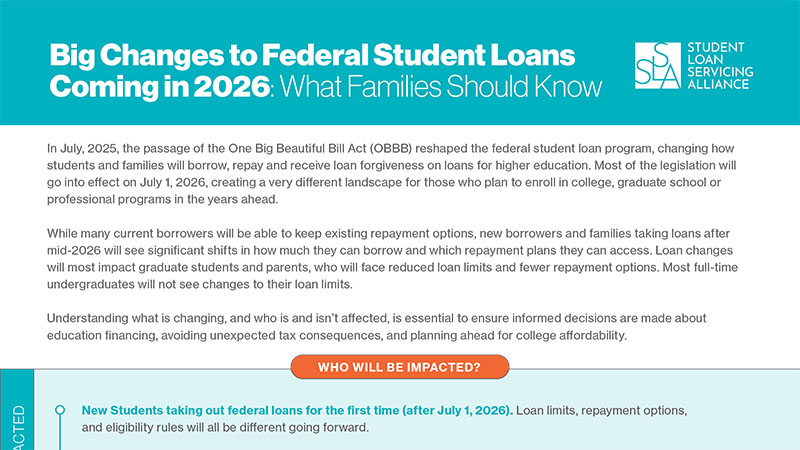
The federal student loan system changed significantly on July 1, 2026, following the passage of the One Big Beautiful Bill Act in 2025.
The grad PLUS loan program ended for new borrowers. Graduate students who previously relied on grad PLUS loans to cover the full cost of attendance will now face new annual and lifetime borrowing limits. Parent PLUS loans also have new caps.
Income-driven repayment plans, including SAVE, PAYE, and ICR, were replaced by a single new option called the Repayment Assistance Plan, or RAP. Borrowers already enrolled in existing income-driven plans were required to transition to RAP or choose a standard repayment option.
The rollout had technical problems. Some borrowers reported missing repayment plans in their online accounts and inaccurate payment estimates. The Department of Education said it was working to fix the issues and that some borrowers may need to reapply for their repayment plan.
One benefit took effect alongside the changes: borrowers enrolled in autopay for federal direct loans originated after July 1, 2012, now receive a 1 percent interest rate reduction, up from the previous 0.25 percent. Borrowers must enroll in autopay by September 30, 2026, to lock in the discount.
Financial aid experts said the changes represent the most significant restructuring of the federal student loan system in years. They urged borrowers to log into their loan servicer accounts and verify their repayment plan and payment amounts.