NHS Launches World's Largest AI Breast Cancer Screening Trial With 700,000 Women
The UK's National Health Service has begun recruiting for the EDITH trial, the world's largest AI-assisted breast cancer screening study. The three-year trial will involve nearly 700,000 women across 30 sites and test whether AI can safely replace one of the two human specialists currently required to review each mammogram.
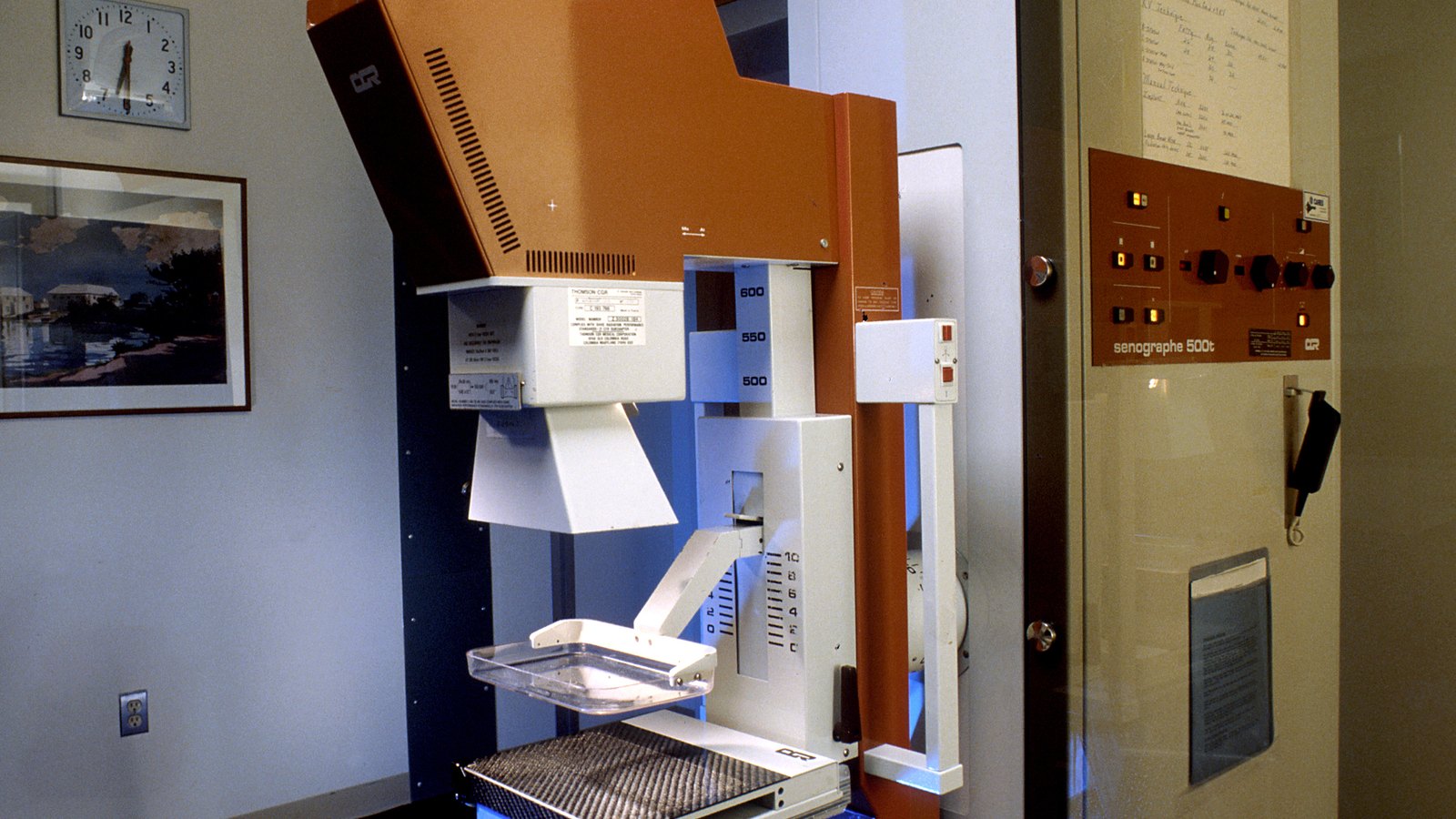
The UK's National Health Service has started recruiting women for the EDITH trial, the world's largest study of AI-assisted breast cancer screening.
The three-year trial aims to enroll nearly 700,000 women across 30 sites in the UK. Recruitment began at Cambridge University Hospitals in November 2026, with other sites joining in the coming months.
EDITH stands for Evaluation and Diagnosis of breast screening using Artificial Intelligence for The Health service. The study is funded by £10 million from the National Institute for Health and Care Research and is led by the University of Warwick and the University of Cambridge.
Currently, every NHS mammogram must be reviewed by two specialist radiologists. Because fewer than 1 percent of screened women are found to have cancer, radiologists spend most of their time reviewing negative images. The trial tests whether AI can serve as a reliable second reviewer, freeing specialists to focus on complex cases.
Four different AI systems are being evaluated for their accuracy in flagging potential cancers. Every scan in the trial will still be reviewed by at least one human specialist.
Women aged 50 to 71 receive information about the trial with their routine screening invitations. Participation is voluntary.
The NHS screens approximately 2.5 million women annually. With around 59,000 breast cancer diagnoses in the UK each year, researchers say improving detection speed and accuracy could save lives.
"We want to make sure AI can help us find cancers earlier without leading to unnecessary recalls or overdiagnosis," said a spokesperson for the trial team.
The trial also addresses a workforce problem. Radiologist shortages have created pressure on screening programs across the NHS. If AI can safely handle a portion of the review workload, it could help reduce waiting times and expand screening capacity.