One in Three Adults Now Using Credit Cards to Buy Groceries as Food Prices Outpace Wages
About one in three working-age Americans has used a credit card to buy groceries in the past year, according to Urban Institute data. Food prices have risen 33% since 2019 while wages grew only 29%, and 8.7% of credit-card grocery users cannot make even the minimum payment.
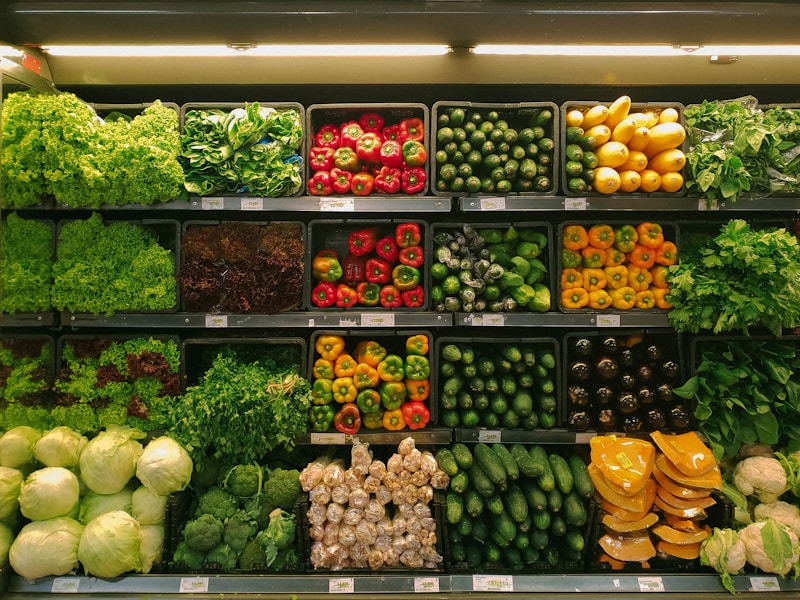
About one in three working-age Americans has used a credit card to purchase groceries in the past year, according to data from the Urban Institute. The figure reflects a widening gap between food costs and wages that has pushed millions of households into what financial experts are calling "food debt."
Food prices have risen 33% since 2019. Wages have grown by 29% over the same period. The gap has left many families short on cash for basic necessities, and credit cards have become a stopgap.
The situation is getting worse. As of mid-2026, 8.7% of adults who use credit cards for groceries cannot make even the minimum payment on their cards, up from 7.1% in 2023. Three million people lost access to food stamps in 2026 as pandemic-era SNAP expansions expired.
Financial experts warn that using credit cards for perishable goods is a high-risk strategy. With average credit card APRs exceeding 28%, a $200 grocery trip can effectively cost $250 to $300 over time due to interest charges. That creates a cycle that reduces disposable income in subsequent months.
About one in ten working-age adults has also turned to "buy now, pay later" services to afford groceries. More than a third of those users have missed at least one payment.
Consumer frustration is high. About 89% of shoppers say they have noticed shrinkflation, where package sizes shrink while prices stay the same. And 85% believe brands are using inflation as cover for excessive price increases.
Financial advisors recommend building a grocery budget, using cash or debit cards to avoid interest charges, and shopping at discount retailers or buying store-brand products to reduce costs.