Pope Leo XIV Dedicates October Prayer Intention to Mental Health Ministry
Pope Leo XIV has called on the Catholic Church to become a safe space for people struggling with mental illness, dedicating his October 2026 prayer intention to mental health ministry. The Vatican noted that more than one billion people worldwide live with a mental disorder, yet global health budgets allocate only 2% of spending to mental health.
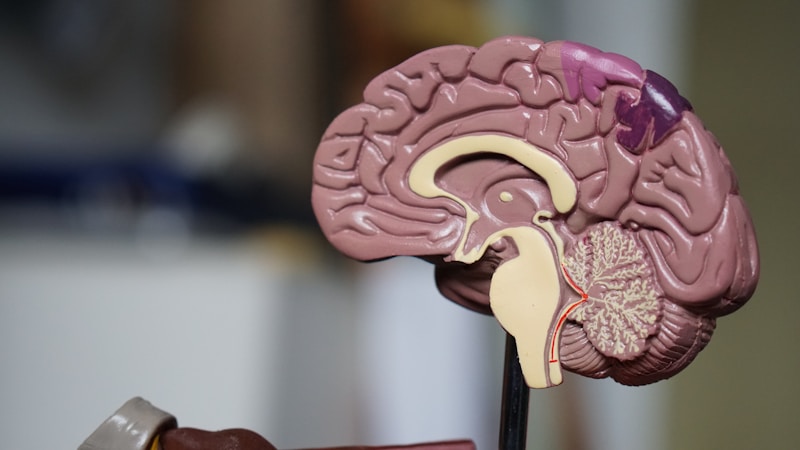
Pope Leo XIV released his October 2026 prayer intention on October 1, calling on the Catholic Church to prioritize mental health ministry and to serve as an open, non-judgmental space for those suffering from anxiety, depression, and other mental disorders.
In a video message accompanying the announcement, the Pope held an image of Saint Dymphna, the patroness of those with mental illness and of mental health professionals. He prayed for the strength and compassion of caregivers, family members, and volunteers who support people with mental health conditions.
"The Church must be a safe space that listens without judgment and accompanies those who suffer," the Pope said, "rather than excluding or stigmatizing them."
The Vatican cited sobering statistics to underscore the urgency of the call. More than one billion people worldwide live with a mental disorder, yet public spending on mental health accounts for only 2% of global health budgets. In many low- and middle-income countries, the gap between need and available care is even wider.
The October prayer intention aligns with World Mental Health Day, observed annually on October 10. This year's theme, set by the World Federation for Mental Health, is "Lived experiences heard: real voices, real change," emphasizing the importance of centering the voices of people with lived experience of mental illness in shaping policy and services.
The Pope's focus on mental health ministry reflects a broader shift within the Catholic Church toward addressing psychological suffering alongside physical and spiritual needs. Several dioceses have launched mental health outreach programs in recent years, partnering with clinical professionals to provide counseling and support groups through parish networks.
Mental health advocates welcomed the Pope's statement, noting that religious communities can play a significant role in reducing stigma and connecting people to care.