Samsung Plans 648 Billion Dollar AI Investment to Reshape South Korea
Samsung Group is preparing a decade-long investment plan totaling approximately 648 billion dollars, or 1,000 trillion won, to expand AI chips, data centers, robotics, and battery technology across South Korea. The plan aims to decentralize AI-driven growth beyond the Seoul metropolitan area.
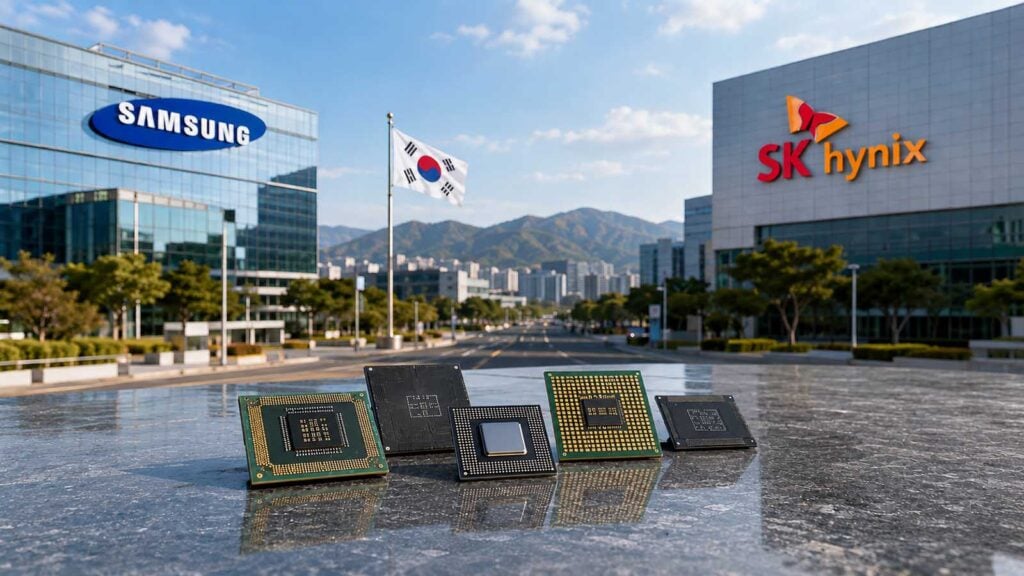
Samsung Group is preparing a decade-long investment plan worth approximately 648 billion dollars, or 1,000 trillion won, to expand South Korea's position in the global AI and semiconductor industries.
The plan covers AI data centers, battery manufacturing, advanced display technologies, robotics, and semiconductor production. Reports indicate that a significant portion, potentially 300 trillion won, may go toward building new semiconductor factories in the country's southwest region.
The investment is designed to address infrastructure bottlenecks in the Seoul metropolitan area, where shortages of power, water, and land have been made worse by rising AI-driven memory demand. By shifting manufacturing to other regions, Samsung and the South Korean government aim to create new innovation hubs and spread economic growth more evenly across the country.
Presidential policy advisers have suggested that Samsung and SK Hynix may need to accelerate projects originally planned for the 2040s into the mid-2030s to keep pace with the global AI boom.
The plan has drawn criticism from opposition lawmakers who question whether regional political interests are driving some of the investment decisions. Industry experts have also warned that finding a skilled workforce outside of Seoul will be difficult.
The scale of Samsung's commitment puts it alongside other major global infrastructure projects, including the 500 billion dollar Stargate initiative in the United States. Analysts say the move reflects a broader shift in the AI race, where control over physical infrastructure, including chip factories, memory supply, and data centers, is becoming as important as software development.