SpaceX Starship Flight 13 Launches Successfully After Two Delays, Deploys 20 Starlink V3 Satellites
SpaceX launched Starship Flight 13 on July 24, 2026, after two prior delays caused by engine ignition issues and Tropical Storm Bertha. The mission deployed 20 Starlink V3 satellites into suborbital space and ended with what SpaceX called its softest splashdown ever in the Indian Ocean. The Super Heavy booster had difficulty during its landing burn and impacted the water harder than planned.
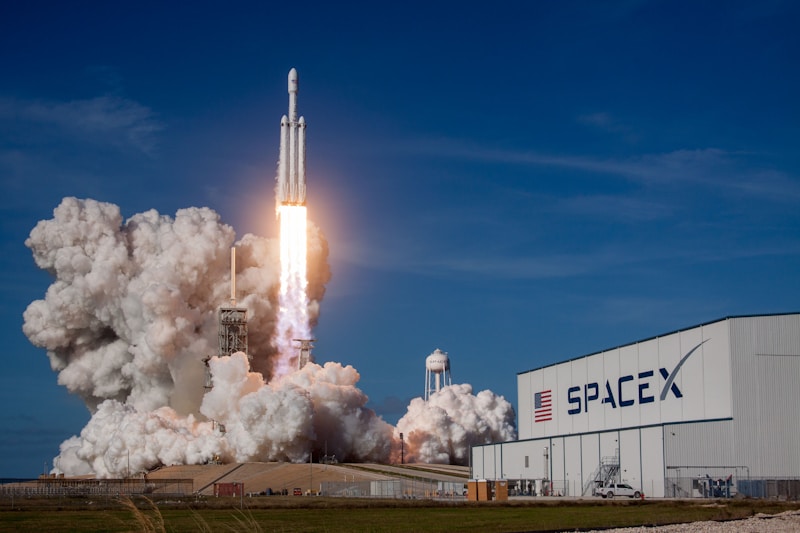
SpaceX launched Starship Flight 13 on July 24, 2026, at 6:51 p.m. EDT from Starbase, Texas, after two prior delays pushed the mission back by more than a week.
The first delay came on July 16, when an automatic abort triggered at the last second after telemetry showed several engines on the Super Heavy booster failed to ignite. SpaceX CEO Elon Musk confirmed the abort and said at least two Raptor engines needed to be replaced.
A second attempt on July 23 was postponed due to Tropical Storm Bertha, which brought wind and rain that interfered with the visibility requirements needed to monitor the rocket's heat shield during ascent.
The July 24 launch proceeded without issue. The mission carried 20 Starlink V3 satellites into suborbital space, where they were designed to test solar array deployment and laser connectivity before burning up in the atmosphere.
The Ship 40 upper stage completed its reentry, passing through peak heating and maximum dynamic pressure. SpaceX described the splashdown in the Indian Ocean as its "softest" ever.
The Super Heavy booster did not land as cleanly. During its landing burn over the Gulf of Mexico, not all engines ignited as planned, and the booster impacted the water with higher velocity than intended.
Flight 13 used the Version 3 Starship prototype, which includes system upgrades aimed at supporting future orbital operations and NASA's Artemis lunar program. SpaceX has been working to demonstrate reliable reusability of both the Ship and the booster as it prepares for operational missions.