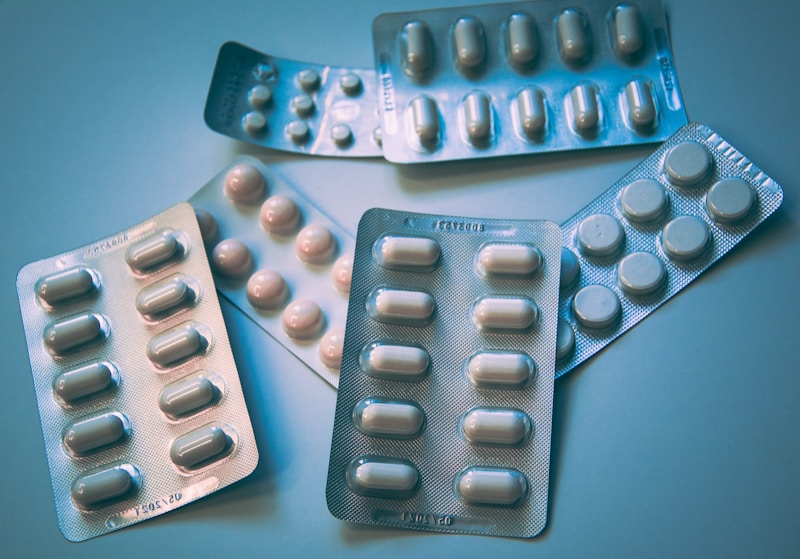
Starting Statins Within a Year of Type 2 Diabetes Diagnosis Linked to 15 Percent Lower Dementia Risk
Research published on September 8, 2026, found that people who start statin therapy within one year of a type 2 diabetes diagnosis have a 15 percent lower relative risk of developing dementia compared to those who do not. The findings add to growing evidence linking cardiovascular health management to brain health outcomes.
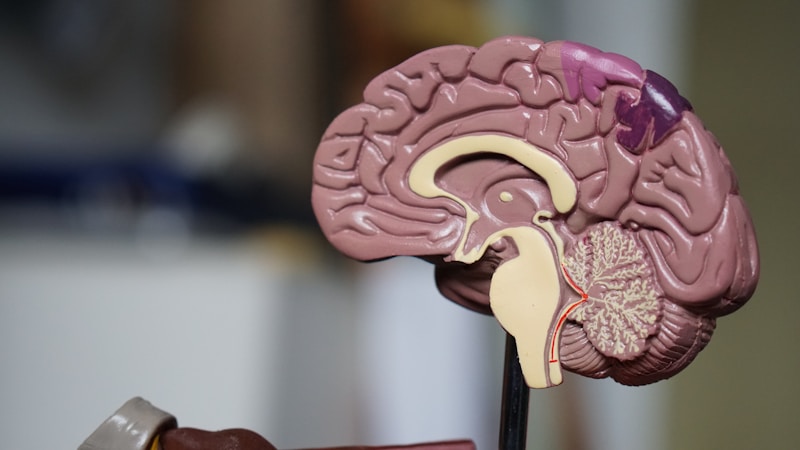
People who start statin therapy within one year of a type 2 diabetes diagnosis have a 15 percent lower relative risk of developing dementia, according to research published on September 8, 2026.
The findings add to a growing body of evidence linking cardiovascular health management to brain health outcomes. Type 2 diabetes is already a known risk factor for dementia, and researchers have been investigating whether treatments that address cardiovascular risk in diabetic patients might also protect the brain.
Statins work primarily by lowering LDL cholesterol, which reduces the buildup of plaque in arteries. Researchers believe the same mechanisms that protect the heart may also reduce inflammation and improve blood flow to the brain, potentially slowing cognitive decline.
The 15 percent reduction in relative risk is meaningful at a population level, given how common both type 2 diabetes and dementia are. Diabetes affects more than 37 million Americans, and dementia affects an estimated 6.7 million Americans aged 65 and older.
Researchers noted that the timing of statin initiation appears to matter. Starting treatment early, within the first year of a diabetes diagnosis, was associated with greater protective effects than starting later.
Physicians say the findings reinforce the importance of early, aggressive management of cardiovascular risk factors in diabetic patients. Many patients with newly diagnosed type 2 diabetes are not immediately started on statins, particularly if their cholesterol levels appear borderline.
The study does not prove that statins directly prevent dementia. Researchers say further clinical trials are needed to confirm the relationship and determine the optimal timing and dosage for brain health benefits.