Study Finds Human Brain Undergoes Major Genomic Shift Between Ages 50 and 75
A new study found that the human brain undergoes sweeping genomic organizational changes between the ages of 50 and 75. Researchers say the findings help explain why the risk of neurodegenerative diseases like Alzheimer's rises sharply during midlife and beyond.
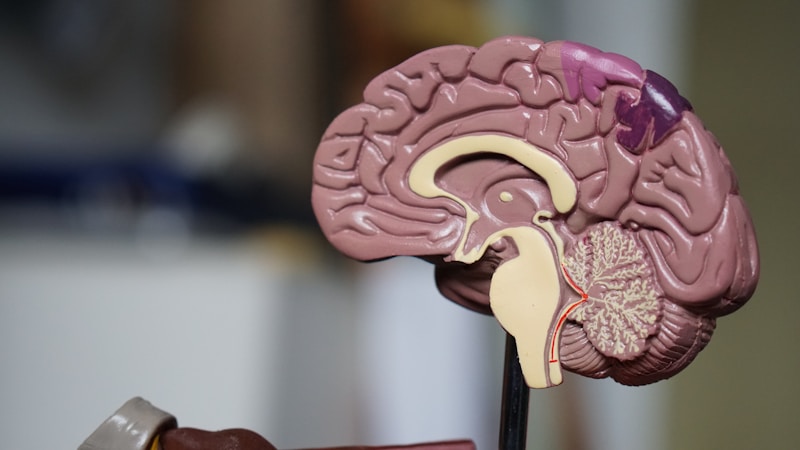
The human brain undergoes sweeping changes in how its DNA is organized between the ages of 50 and 75, according to a study published in September 2026.
Researchers found that the three-dimensional structure of the genome inside brain cells shifts significantly during this window. The changes affect how genes are expressed and may help explain why the risk of neurodegenerative diseases like Alzheimer's rises sharply during midlife.
The study identified disruptions in 3D DNA organization in brain cells affected by Alzheimer's disease, suggesting that the genomic shift may be a contributing factor rather than just a byproduct of the disease.
Scientists said the findings open new avenues for understanding why the brain becomes more vulnerable to disease during a specific age range rather than declining gradually throughout life.
The research adds to a growing body of work on the biology of brain aging. Earlier studies have shown that short-range brain wiring may help protect cognition even as gray matter shrinks with age, and that early statin use following a type 2 diabetes diagnosis is linked to a 15 percent lower risk of dementia.
Researchers also noted that lifestyle factors continue to play a role. A study published in February 2026 in the journal Neurology found that lifelong engagement in reading, writing, and learning new languages was associated with a 38 percent lower risk of Alzheimer's disease.
The genomic shift study was reported by Science Daily in mid-September 2026 and is expected to inform future research into early intervention strategies for neurodegenerative disease.