Tesla Unveils Next-Generation Roadster With SpaceX Thrusters at McGregor Reveal Event
Tesla unveiled its long-delayed next-generation Roadster on October 15 at a SpaceX facility in McGregor, Texas. The car uses aerospace-inspired cold-gas thrusters and a suction system to perform aerial maneuvers, and Tesla says it can accelerate from zero to 60 mph in under one second. Production is scheduled to begin in 2028.
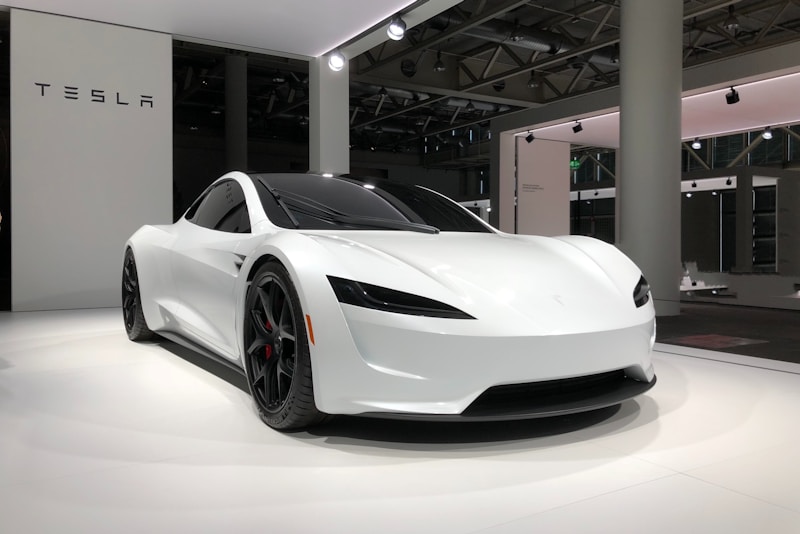
Tesla unveiled its long-delayed next-generation Roadster on October 15, 2026, at a SpaceX rocket development facility in McGregor, Texas. The reveal event showcased a prototype that used SpaceX-engineered cold-gas thrusters and a suction system to perform aerial maneuvers, including driving upside down on a curved ramp and jumping off the ground.
Tesla says the car can accelerate from zero to 60 miles per hour in less than one second. The vehicle also features a steer-by-wire system and a steering yoke. Production is scheduled to begin in 2028, nearly a decade after CEO Elon Musk first teased the project in 2017 with an original target of 2020 deliveries.
Following the reveal, Tesla updated its reservation portal with three versions of the car. The Performance model, a road-ready version, requires a 50,000-dollar deposit. The Thrust model, a limited-release race-ready package with acceleration thrusters and a multi-mode suction system, requires a 250,000-dollar deposit. The Rocket model is an invite-only, single-seat variant with a full flight system that is not approved for public road use.
Analysts described the Roadster as a "halo car" designed to showcase engineering capabilities rather than drive significant sales volume. The event drew attention to the growing operational overlap between Tesla and SpaceX, fueling ongoing speculation about a potential merger between the two companies.
The collaboration between the two Elon Musk-led companies has deepened in recent years, including a joint semiconductor facility called Terafab. Neither company has confirmed any merger discussions.
The Roadster's thruster-equipped variants face an uncertain path to street legality. Regulators have not yet addressed whether vehicles capable of aerial maneuvers can meet existing safety standards for public road use.