Texas Approves Bible Stories as Required Reading in Public Schools
The Texas State Board of Education approved a curriculum requiring Bible stories as part of mandatory reading for millions of public school students. The decision has sparked debate about the role of religious texts in public education and is expected to face legal challenges.

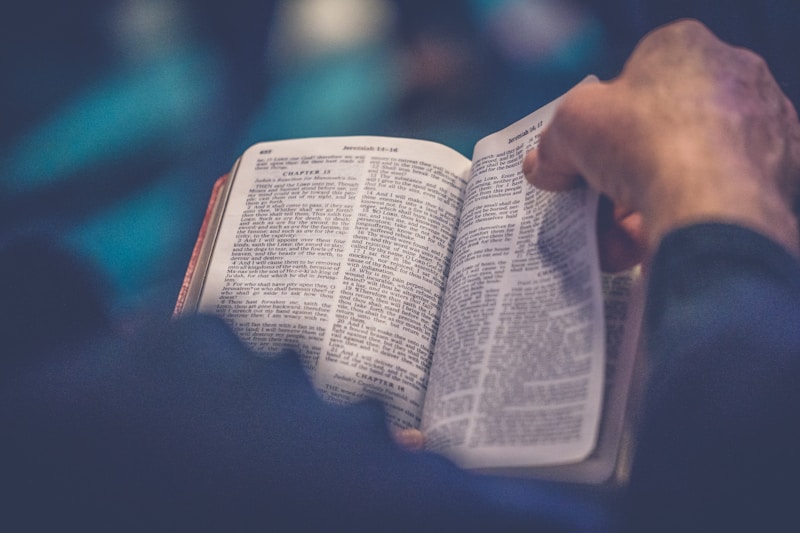
The Texas State Board of Education approved a curriculum that makes Bible stories required reading for public school students across the state. The decision affects millions of students and marks one of the most direct integrations of religious content into a state public school curriculum in recent U.S. history.
Supporters of the measure argue that the Bible holds significant historical and literary value and that students benefit from understanding its influence on Western culture, law, and literature. They point to the Supreme Court's 2024 ruling allowing a Louisiana school district to display the Ten Commandments as evidence that such measures can survive legal scrutiny.
Critics, including civil liberties groups and some parents, say the curriculum crosses the line between education and religious instruction. The American Civil Liberties Union and Americans United for Separation of Church and State have both signaled they are reviewing the decision for potential legal action.
The curriculum does not require students to practice or profess any faith. It frames Bible readings as literary and historical texts. However, opponents argue that singling out one religious text for mandatory study in public schools still amounts to government endorsement of religion.
Texas Governor Greg Abbott praised the board's decision, calling it a step toward restoring foundational values in education. The state's education commissioner said implementation guidance for teachers would be released before the start of the next school year.
The move comes as several other states have considered similar measures, and the Texas decision is expected to influence debates in legislatures across the South and Midwest.