Treasury Proposes Rules Allowing Pre-Tax Payroll Contributions to Trump Accounts
The U.S. Treasury Department and IRS released proposed regulations in August 2026 allowing employees to make pre-tax payroll contributions to their children's Trump Accounts. Employers may also contribute up to $2,500 per year tax-free. Financial experts note the tax benefit is larger for higher earners, and some say 529 plans may offer better advantages for education savings.
The U.S. Treasury Department and IRS released proposed regulations in August 2026 that would allow employees to make pre-tax payroll contributions to their children's Trump Accounts.
Trump Accounts, designated as Section 530A accounts, were created by the One Big Beautiful Bill Act of 2025 as tax-deferred investment vehicles for children. Eligible children born between 2025 and 2028 qualify for a $1,000 federal seed deposit.
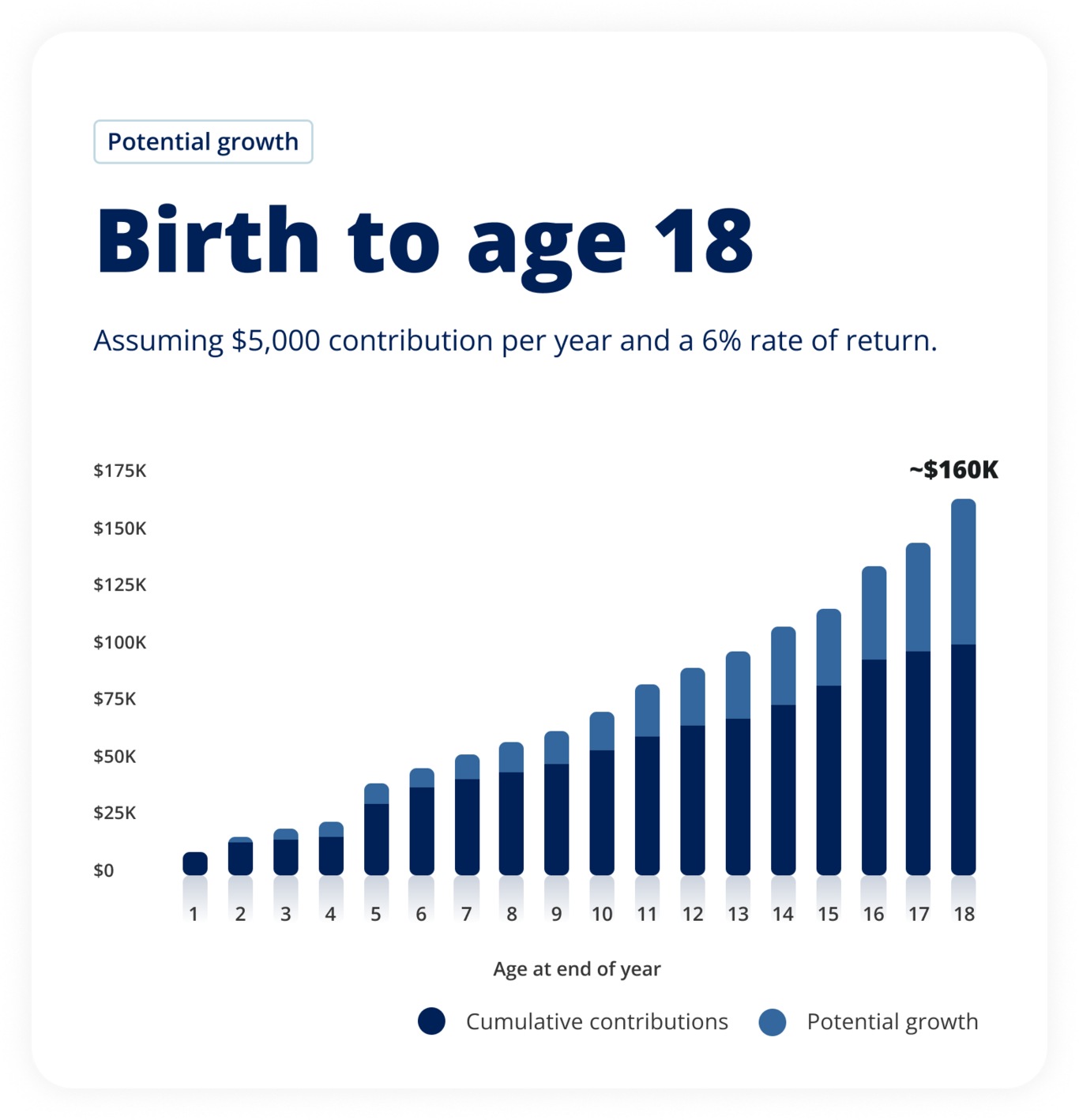
Under the proposed rules, employers may contribute up to $2,500 per year per employee for the benefit of their dependents on a tax-free basis. The total annual contribution limit for a child's account is $5,000, including the employer-matched portion.
Employers wishing to participate must maintain a separate written plan, provide annual statements to employees, and meet nondiscrimination requirements to ensure programs do not disproportionately favor highly compensated employees.
Pre-tax contributions lower current taxable income but do not eliminate the tax liability. Withdrawals are generally taxed as ordinary income, and the accounts convert to traditional IRAs when the beneficiary turns 18.
Financial analysts noted that the tax benefit is larger for families in higher income brackets, who benefit more from higher marginal tax rates. Some experts suggested that 529 plans may offer better tax advantages for families focused on education savings.
More than 50 companies have committed to contributing to these accounts. The proposed rules are subject to public comment and a formal hearing scheduled for October 15, 2026.