Ultra-Processed Foods Linked to Faster Cognitive Decline and Higher Mortality, Studies Show
New research links diets high in ultra-processed foods to accelerated cognitive decline and increased mortality risk. Scientists say the findings reinforce calls to reduce consumption of packaged snacks, fast food, and processed meats in favor of whole foods.

Diets high in ultra-processed foods are associated with faster cognitive decline and a higher risk of early death, according to research published in 2026 and reviewed by health scientists this month.
Ultra-processed foods include packaged snacks, fast food, sugary drinks, processed meats, and ready-to-eat meals that contain additives, preservatives, and artificial flavors not typically found in home cooking. They now account for more than half of the calories consumed by the average American adult.
One study, which followed more than 10,000 adults over a decade, found that those who ate the most ultra-processed foods showed significantly faster declines in memory and executive function compared to those who ate the least. The association held even after researchers controlled for overall calorie intake, physical activity, and other lifestyle factors.
A separate analysis found that high consumption of ultra-processed foods was linked to a 14% higher risk of all-cause mortality. The researchers noted that the association was strongest for processed meats and sugary beverages.
Scientists believe several mechanisms may explain the link. Ultra-processed foods tend to be low in fiber, vitamins, and minerals while high in sodium, sugar, and saturated fat. They may also disrupt the gut microbiome, which has been increasingly linked to brain health and immune function.
"The evidence is now strong enough that we should be treating ultra-processed food consumption as a serious public health concern," said one nutrition researcher.
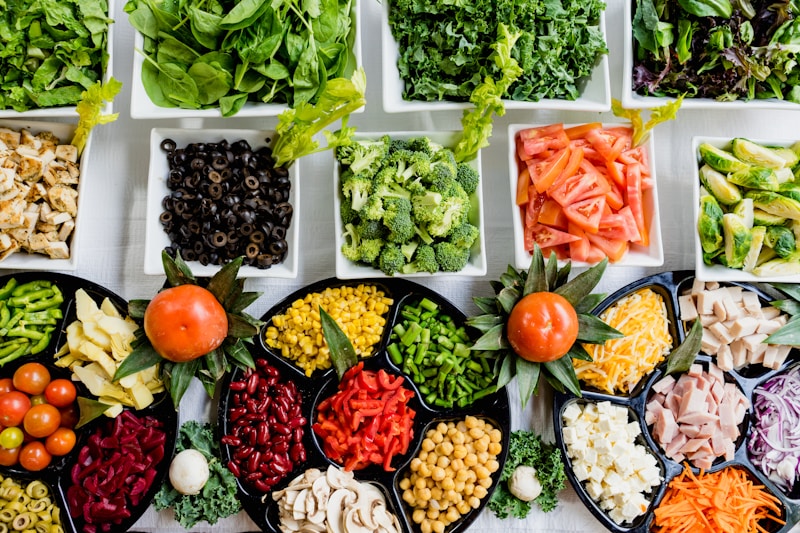
Health experts recommend replacing ultra-processed foods with whole grains, vegetables, fruits, legumes, nuts, and lean proteins. They say even modest reductions in ultra-processed food intake can produce measurable health benefits over time.