U.S. Financial Literacy Hits 10-Year Low as Gen Z Scores Drop to 38 Percent
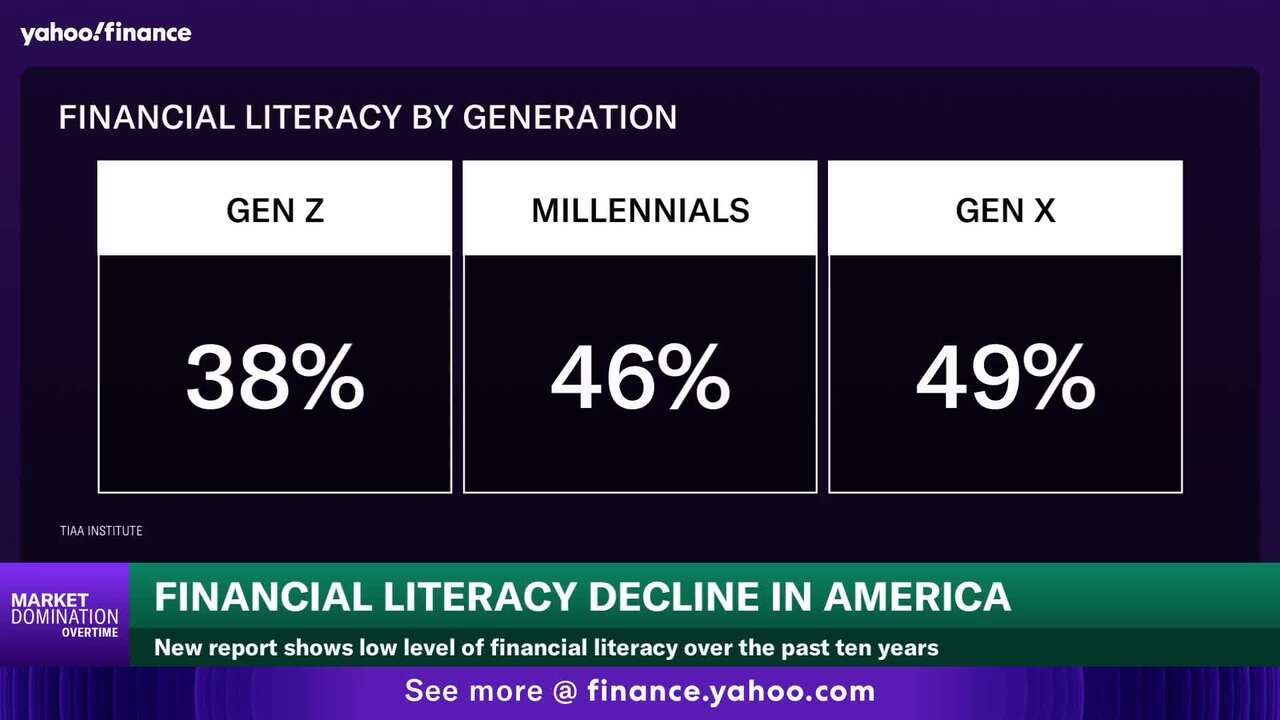
A new TIAA Institute and Stanford University study found that U.S. adults correctly answered only 47 percent of basic financial literacy questions in 2025, the lowest score in the survey's 10-year history. Gen Z adults scored the lowest of any generation, at 38 percent.
Americans' understanding of basic financial concepts has fallen to a 10-year low, according to a new study from the TIAA Institute and Stanford University's Global Financial Literacy Excellence Center released on June 1, 2026.
U.S. adults correctly answered only 47 percent of 28 financial literacy questions on average, down from a high of 52 percent in 2020. The share of Americans with very low financial literacy has grown from 20 percent in 2017 to 25 percent in 2026.
Gen Z adults, ages 18 to 29, scored the lowest of any generation at 38 percent. Baby boomers scored the highest at 54 percent. Women answered 44 percent of questions correctly, compared with 50 percent for men.
Surya Kolluri, head of the TIAA Institute, told CBS News that low financial literacy is directly linked to worse financial outcomes. "Those with lower levels of financial literacy are four times more likely to have trouble making ends meet," he said.
The decline was broad-based, affecting five of eight knowledge areas: consuming, borrowing, earning, insuring, and comprehending risk. Risk literacy was the weakest area, with only 36 percent of questions answered correctly.
LendingTree chief consumer finance analyst Matt Schulz said the surge of financial information on social media, much of it inaccurate, may be a contributing factor. "Knowing what financial content to follow and trust has never been harder," he said.
The study found that adults who received formal financial education outperformed those who did not by 13 percentage points. Researchers said employer-sponsored programs, K-12 education, and community-based initiatives all show promise for reversing the trend.