U.S. Justice Department Asks Court to Let Churches Endorse Political Candidates
The U.S. Department of Justice filed a brief in October 2026 asking a federal appeals court to allow churches and other religious organizations to endorse political candidates, a move that would effectively challenge the Johnson Amendment, which has barred tax-exempt groups from making political endorsements since 1954.
The U.S. Department of Justice filed a brief in October 2026 asking a federal appeals court to permit churches and other religious organizations to endorse political candidates. The filing challenges the Johnson Amendment, a provision of the tax code that has barred tax-exempt organizations from making political endorsements since 1954.
The Johnson Amendment applies to all 501(c)(3) organizations, including churches, charities, and nonprofits. Violations can result in the loss of tax-exempt status. The law has been a point of contention for decades, with many religious leaders arguing it restricts their First Amendment rights.
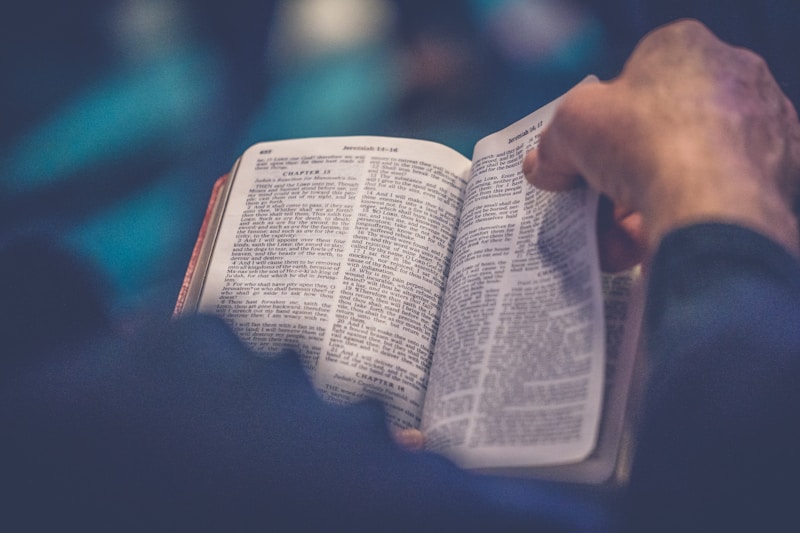
The DOJ brief argues that applying the Johnson Amendment to religious organizations raises constitutional concerns. The department contends that churches should be able to speak freely on political matters as an expression of their religious mission.
Critics of the move say removing the restriction would effectively turn churches into political action committees, allowing them to funnel tax-deductible donations into partisan campaigns. They argue the separation of church and state requires that tax-exempt status not be used to influence elections.
The case is being watched closely by religious liberty advocates and campaign finance watchdogs. If the appeals court rules in favor of the DOJ position, it could open the door for churches to formally endorse candidates from the pulpit without risking their tax-exempt status.
The Trump administration had previously issued an executive order directing the IRS to exercise "maximum enforcement discretion" regarding the Johnson Amendment, but that order did not change the underlying law. A court ruling would carry more legal weight.
Religious liberty organizations praised the DOJ filing. Groups focused on church-state separation said they would oppose any ruling that weakens the amendment.