Wearable Devices Move From Fitness Trackers to Clinical Health Tools
By late 2026, wearable health technology has expanded well beyond step counting into medical-grade monitoring of heart rhythm, blood oxygen, blood pressure, and metabolic data. Researchers are using wearables in clinical trials for conditions including atrial fibrillation and diabetes. Cybersecurity standards such as IEEE 2621 are being adopted to protect the sensitive health data these devices transmit.
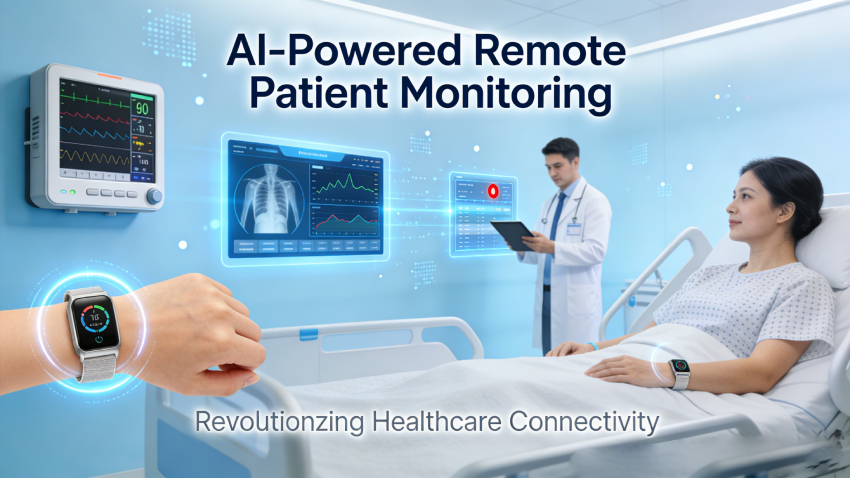
Wearable health devices have moved well beyond step counting by late 2026, with medical-grade smartwatches, patches, rings, and smart textiles now used to monitor chronic conditions in patients' daily environments.
Devices now track heart rate, ECG, blood oxygen, blood pressure, and metabolic data continuously. Continuous glucose monitors remain standard for diabetes management, and researchers are investigating non-invasive wearable methods for screening prediabetes.
Smartwatch sensors measuring wrist temperature have been validated for predicting ovulation and menstrual cycles. Researchers are also exploring wearable patches and "e-gloves" that detect volatile organic compounds on the skin linked to lung and joint conditions.
Clinical trials are increasingly using wearables for real-world monitoring of atrial fibrillation, neurological disorders, and respiratory conditions. This shift supports decentralized and hybrid research models that reduce the need for in-person clinic visits.
The field is working to standardize validation through the "V3" framework, which covers verification, analytical validation, and clinical validation. Cybersecurity is also a growing concern, with the IEEE 2621 framework providing third-party verification for device safety, encryption, and vulnerability management.
Challenges remain. Cuffless blood pressure monitoring often lacks the rigorous validation required by international standards. Healthcare systems also face difficulty managing distributed device networks that cannot be updated through traditional hospital IT infrastructure.
The NIH's News in Health publication highlighted wearable technology as a major health trend in its November 2026 issue.