Wearable Tech for Brain Health and Stress Tracking Emerges as Major Wellness Trend in October 2026
Wearable devices designed to monitor brain health and stress levels are gaining traction as a major wellness trend this fall. New products include at-home cortisol trackers, rapid concussion screening headsets, and devices that stimulate the vagus nerve to reduce stress. Health analysts say the category is expanding as consumers seek more proactive ways to manage mental and physical well-being.
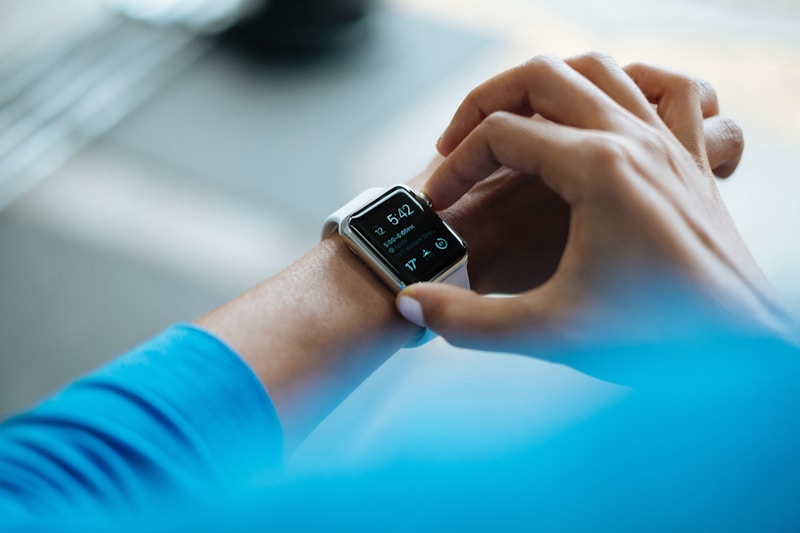
Wearable technology aimed at monitoring brain health and managing stress has emerged as one of the fastest-growing segments of the wellness market in October 2026.
New products hitting the market this fall include at-home cortisol trackers that measure stress hormone levels throughout the day, rapid concussion screening headsets designed for athletes and parents, and consumer devices that deliver mild electrical stimulation to the vagus nerve to reduce anxiety and improve focus.
Health analysts say the category reflects a broader shift in how consumers think about wellness. Rather than waiting for symptoms to appear, more people are using technology to track biological markers in real time and adjust their habits accordingly.
"The idea of a health coach on your wrist is becoming a reality," said one analyst who tracks the wearable health market. "These devices are moving from novelty to clinical relevance."
Cortisol trackers, in particular, have attracted attention from people dealing with chronic stress and burnout. Several devices now offer continuous monitoring through skin sensors, giving users a picture of how their stress levels fluctuate across the day.
Vagus nerve stimulation devices, which were previously available only through medical providers, are now being sold directly to consumers. Manufacturers say the devices can help regulate the nervous system and reduce the physical effects of stress.
The concussion screening headsets are aimed at youth sports programs and parents who want a faster way to assess head injuries on the sideline. Traditional concussion protocols can take days to complete, and the new devices promise a preliminary assessment in minutes.
Regulatory questions remain. The FDA has not yet established clear guidelines for many of these consumer health devices, and some clinicians have urged caution about interpreting results without professional guidance.