ADHD Linked to 48 Percent Higher Risk of Gut Symptoms, Study of 1.9 Million People Finds
A systematic review published in the Journal of Attention Disorders analyzed data from over 1.9 million people across 23 studies. Researchers at Warwick Medical School found that people with ADHD are 48% more likely to experience gastrointestinal symptoms than neurotypical peers.
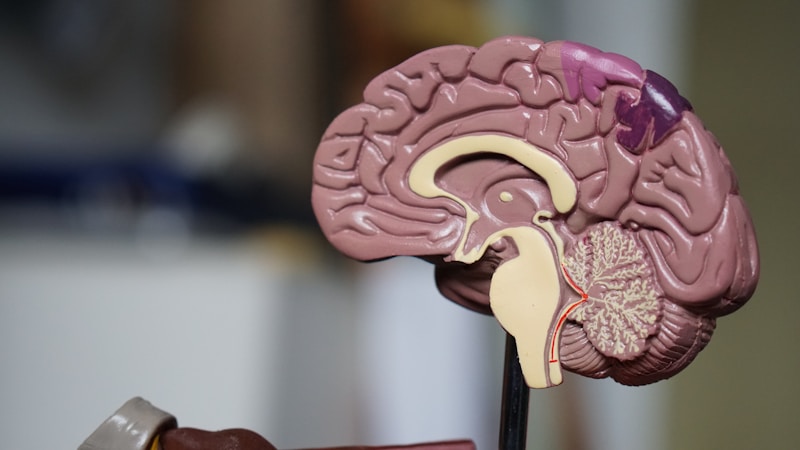
People with ADHD are 48% more likely to experience gut problems than those without the condition, according to a large new study published in the Journal of Attention Disorders.
Researchers at Warwick Medical School conducted a systematic review and meta-analysis of 23 studies covering more than 1.9 million participants. It is the first review focused specifically on functional gastrointestinal symptoms in people with ADHD.
The findings show substantially higher odds for specific digestive conditions. People with ADHD had more than four times the odds of encopresis, nearly double the odds of constipation, more than double the odds of diarrhea, 58% higher odds of irritable bowel syndrome, 52% higher odds of indigestion, and 88% higher odds of abdominal pain.
Researchers proposed several explanations. ADHD is associated with reduced vagus nerve activity, which can impair digestion and inflammation regulation. Differences in gut bacteria may also play a role, affecting neurotransmitter production. Behavioral factors tied to ADHD, including irregular eating, poor hydration, and low fiber intake, contribute as well. Stimulant medications used to treat ADHD are also known to cause gastrointestinal side effects.
The study does not prove a direct causal link. Researchers say the findings point to a need for clinicians to screen ADHD patients for digestive issues, since functional gut problems often do not show up on standard tests.
The team recommends an integrated approach to care that addresses nutrition, sleep, exercise, and stress alongside core ADHD symptoms.


