Alzheimer's Brain Changes May Begin Seven Years Before Plaque Is Detected, New Research Finds
New research suggests that Alzheimer's-related changes in the brain may begin up to seven years before amyloid plaque can be detected through standard testing. Scientists say the findings point to the need for earlier screening and lifestyle interventions.
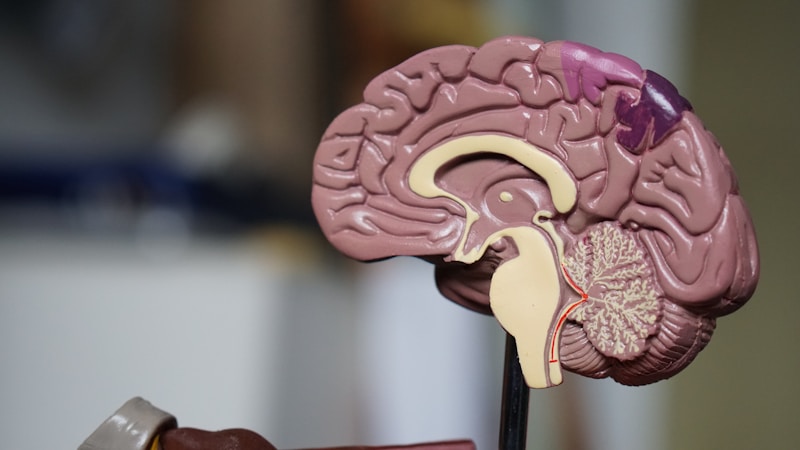
Scientists studying Alzheimer's disease have found that measurable changes in the brain may begin up to seven years before amyloid plaque, the hallmark of the disease, becomes detectable through standard clinical tests.
The research, published in recent months and highlighted at neurology conferences in 2026, suggests that the window for early intervention may be longer than previously understood. Researchers tracked cognitive and biological markers in older adults over several years and found that subtle changes in memory, processing speed, and certain blood biomarkers appeared well before plaque accumulation reached detectable levels.
"This tells us that the disease process starts earlier than we thought," said one of the researchers involved in the study. "If we can identify people in that pre-plaque window, we have more time to intervene."
The findings add to a growing body of evidence that Alzheimer's is not a sudden-onset condition but a slow-developing process that may be influenced by lifestyle factors over decades. Previous research has linked regular physical activity, a Mediterranean-style diet, quality sleep, and cognitive engagement to lower dementia risk.
Researchers are now calling for the development of blood-based biomarker tests that could be administered during routine checkups, allowing physicians to flag at-risk patients years earlier than current imaging-based methods allow.
The study also found that individuals with higher levels of lifetime cognitive enrichment, including reading, writing, and learning new languages, showed a delay in the onset of Alzheimer's symptoms by more than five years compared to those with lower enrichment levels.
Experts caution that the research is still evolving and that no single lifestyle change guarantees protection against Alzheimer's. They recommend a combination of physical, cognitive, and social activity as the best current strategy for brain health.