Blood Test Now an Approved Option for Colorectal Cancer Screening
The American Cancer Society updated its colorectal cancer screening guidelines in May 2026 to include a blood-based test as an approved option for average-risk adults aged 45 and older. The test works by detecting circulating tumor DNA and protein markers in the blood. Doctors say it is best suited for patients who decline colonoscopies or stool-based tests.
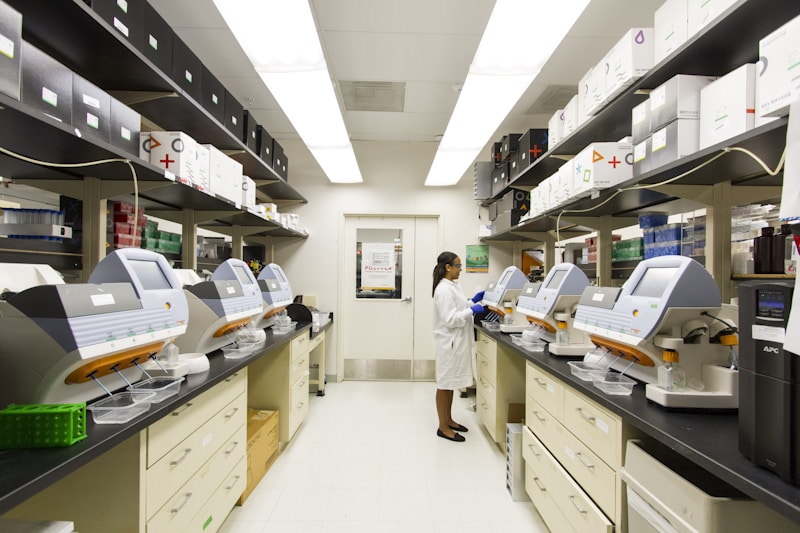
The American Cancer Society updated its colorectal cancer screening guidelines in May 2026 to formally include a blood-based test as an approved screening option for average-risk adults aged 45 and older.
The FDA approved the first blood-based colorectal cancer screening test in 2024. The National Comprehensive Cancer Network added it to its guidelines in June 2025 for patients unable or unwilling to undergo other screening methods. The ACS update in 2026 brings the test into mainstream clinical guidance.
The tests work as a form of liquid biopsy. They analyze circulating tumor DNA, specific DNA methylation patterns, and protein markers in the blood to detect signals shed by abnormal colon tissue. The technology can identify early-stage cancers and certain high-risk polyps, though it is less effective at detecting very small lesions.
Major health organizations do not list blood tests as a preferred screening method. They have lower sensitivity for detecting advanced precancerous lesions and stage I colorectal cancer compared to colonoscopy and stool-based tests. The optimal screening interval for blood tests has not yet been established.
Any abnormal blood test result requires a follow-up colonoscopy to confirm findings and potentially remove precancerous polyps. Colonoscopy remains the only screening method that can both detect and prevent cancer by removing polyps during the procedure.
Doctors say the primary value of blood-based screening is its convenience. It can help overcome barriers for patients who avoid colonoscopies due to the preparation process, discomfort, or cost. The precision diagnostics market, which includes these tests, is projected to reach 21.5 billion dollars by 2030.
Blood tests are not recommended for individuals at increased risk of colorectal cancer, who should continue with regular colonoscopies at intervals determined by their clinical history.