Brain Scans Show Long COVID May Damage Dopamine-Releasing Neurons, Explaining Fatigue and Brain Fog
New brain scan research published this week found evidence that long COVID may cause damage to dopamine-releasing neurons. The findings offer a potential biological explanation for persistent symptoms including fatigue, memory difficulties, slowed movement, and low motivation that affect millions of long COVID patients.
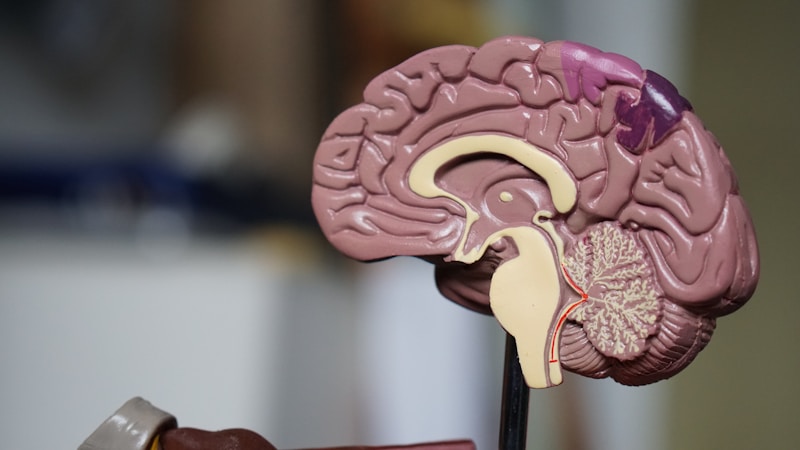
New brain scan research published this week found evidence that long COVID may cause damage to dopamine-releasing neurons, offering a potential biological explanation for some of the condition's most debilitating symptoms.
The study, reported by Science Daily on September 22, 2026, identified changes in dopamine neuron activity in patients with long COVID. Dopamine is a neurotransmitter that plays a central role in motivation, movement, memory, and mood. Damage to the neurons that release it could explain why many long COVID patients experience persistent fatigue, difficulty concentrating, slowed movement, and low motivation even months or years after their initial infection.
Researchers said the findings are significant because they provide a measurable, biological basis for symptoms that have sometimes been dismissed as psychological. Long COVID affects an estimated tens of millions of people worldwide, and many patients have struggled to receive recognition or treatment for their ongoing symptoms.
The dopamine neuron damage identified in the scans is similar in some respects to changes seen in early Parkinson's disease, though researchers cautioned that the conditions are distinct and that long COVID does not appear to cause Parkinson's.
The research adds to a growing body of evidence that COVID-19 can have lasting effects on the brain and nervous system. Earlier studies have linked the virus to increased risk of cognitive decline, depression, and anxiety.
Scientists said the next step is to determine whether the dopamine neuron damage is reversible and whether existing treatments for dopamine-related conditions might help long COVID patients. Clinical trials are being planned to test several potential interventions.


