Daily Sugary Drinks Linked to More Than Double the Risk of Stomach Cancer
A study published in August 2026 by Mass General Brigham Cancer Institute found that people who drink at least one sugar-sweetened beverage per day are 2.45 times more likely to develop stomach cancer than those who rarely consume such drinks. The research analyzed data from more than 112,000 participants over 36 years. No similar risk was found for artificially sweetened beverages.
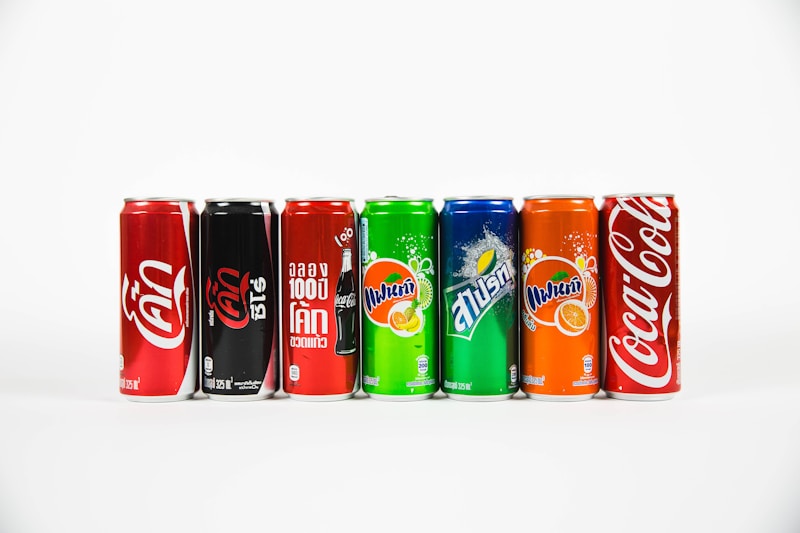
Researchers at Mass General Brigham Cancer Institute published findings in August 2026 showing that daily consumption of sugar-sweetened beverages is associated with a 2.45-fold increase in the risk of developing stomach cancer.
The study, published in Gastro Hep Advances, analyzed dietary data from more than 112,000 participants in the Nurses' Health Study and the Health Professionals Follow-Up Study. Researchers tracked health outcomes from 1986 to 2022 and documented 278 cases of gastric cancer during that period.
Participants who drank at least one 8-ounce serving of a sugar-sweetened beverage per day, including soda, sports drinks, punch, or lemonade, faced significantly higher cancer risk compared to those who consumed these drinks less than once a month. Women showed roughly a three-fold increase in risk, while men showed a two-fold increase.
Artificially sweetened beverages were not associated with increased stomach cancer risk, suggesting the danger may be tied specifically to sugar content, fructose levels, or their metabolic effects.
Researchers proposed several possible biological mechanisms: insulin resistance, weight gain, chronic inflammation, steroid hormone imbalances, and potential changes to the gut microbiome. The study was observational and cannot establish direct causation.
Limitations included incomplete data on Helicobacter pylori infection, a known stomach cancer risk factor, and a study population that was predominantly White, which limits how broadly the findings can be applied.
Experts said the results add to a growing body of evidence linking high sugar intake to cancer risk and called for further research to confirm the biological pathways involved. Public health advocates said the findings support existing recommendations to reduce consumption of sugary drinks.