Eating 4 to 6 Servings of Whole Grains Daily Linked to Lower Cholesterol and Body Weight
A new study found that eating 4 to 6 servings of whole grains per day supports heart health by reducing body weight and cholesterol levels. Researchers say the findings reinforce dietary guidelines that have long recommended whole grains as a foundation of a healthy diet.
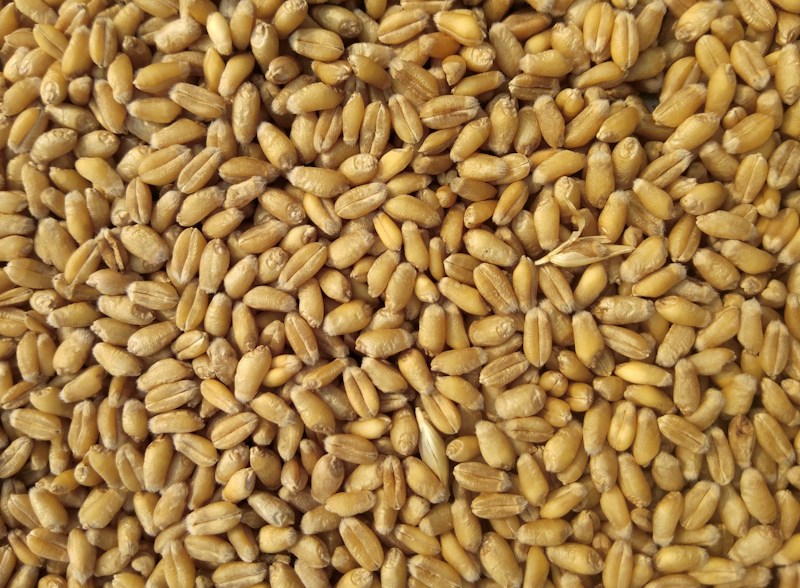
Eating 4 to 6 servings of whole grains per day is linked to lower cholesterol and reduced body weight, according to a study published in September 2026.
Researchers analyzed dietary data and found that consistent whole grain consumption produced measurable improvements in two key markers of cardiovascular health. The findings support existing dietary guidelines that recommend whole grains as a core component of a heart-healthy diet.
Whole grains include foods like oats, brown rice, whole wheat bread, barley, and quinoa. Unlike refined grains, they retain the bran and germ, which contain fiber, vitamins, and minerals that are stripped away during processing.
The fiber in whole grains is thought to play a central role in the cholesterol-lowering effect. Soluble fiber binds to cholesterol in the digestive system and helps remove it from the body before it can enter the bloodstream.
The study adds to a long line of research connecting whole grain intake to reduced risk of heart disease, type 2 diabetes, and certain cancers. Researchers noted that most Americans fall well short of the recommended daily intake.
The findings come during a period of heightened public interest in diet and longevity. Separate research published in 2026 has linked ultra-processed food consumption to faster cognitive decline and increased mortality, while other studies have explored how dietary changes can influence biological age markers.
Nutritionists say the practical takeaway is straightforward: replacing refined grains with whole grain alternatives at most meals can produce meaningful health benefits over time.