FDA Grants Accelerated Approval to Camizestrant for ESR1-Mutated Breast Cancer
The FDA granted accelerated approval to camizestrant, sold as Etcamah, in combination with a CDK4/6 inhibitor for adults with hormone receptor-positive, HER2-negative, ESR1-mutated advanced or metastatic breast cancer on September 4, 2026. Clinical trial data showed a median progression-free survival of 16 months for the combination versus 9.2 months for standard treatment. The Guardant360 CDx assay is required to confirm the ESR1 mutation before treatment.
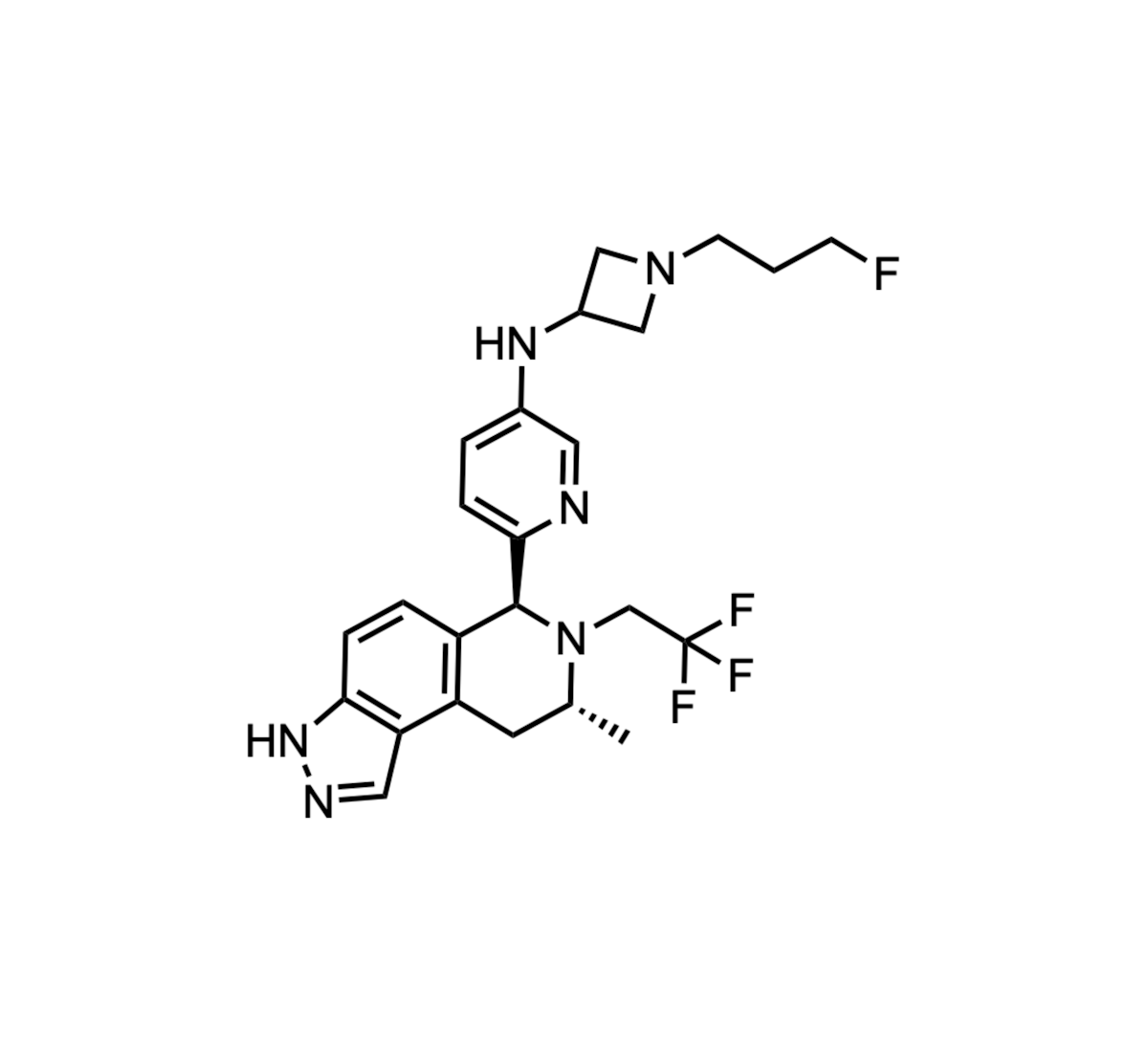
The FDA granted accelerated approval to camizestrant, sold under the brand name Etcamah, in combination with a CDK4/6 inhibitor for adults with hormone receptor-positive, HER2-negative, ESR1-mutated locally advanced or metastatic breast cancer on September 4, 2026.
The approval covers use with any of three CDK4/6 inhibitors: abemaciclib, palbociclib, or ribociclib. Patients must have an ESR1 mutation confirmed by the Guardant360 CDx assay, which the FDA authorized as a companion diagnostic for this indication.
Clinical trial data showed a median progression-free survival of 16 months for patients receiving camizestrant plus a CDK4/6 inhibitor, compared to 9.2 months for patients receiving an aromatase inhibitor plus a CDK4/6 inhibitor. The results represent a meaningful improvement for a patient population with limited options after standard endocrine therapy.
ESR1 mutations are acquired resistance mutations that develop during treatment with aromatase inhibitors. While present in fewer than 5 percent of patients at initial diagnosis of HR-positive metastatic breast cancer, they are found in 10 to 50 percent of patients whose disease has progressed on endocrine therapy.
Because the approval was granted under the accelerated pathway, which relies on surrogate endpoints rather than overall survival data, the FDA requires confirmatory studies to verify clinical benefit. The company must complete those trials and submit results for the approval to be converted to full status.
The camizestrant approval follows a September 18 approval of imlunestrant in combination with abemaciclib for the same ESR1-mutated breast cancer population, giving oncologists two new oral options for this patient group within weeks of each other.
Breast cancer is the most common cancer among women in the United States, with more than 300,000 new cases diagnosed each year.


