FDA Recalls Over 25,000 Bottles of Blood Pressure Drug Chlorthalidone After Failed Lab Tests
The FDA has issued two Class II recalls covering more than 25,000 bottles of 25 mg chlorthalidone tablets made by Inventia Healthcare Limited. The tablets failed dissolution testing, meaning they may not release their active ingredient at the correct rate.
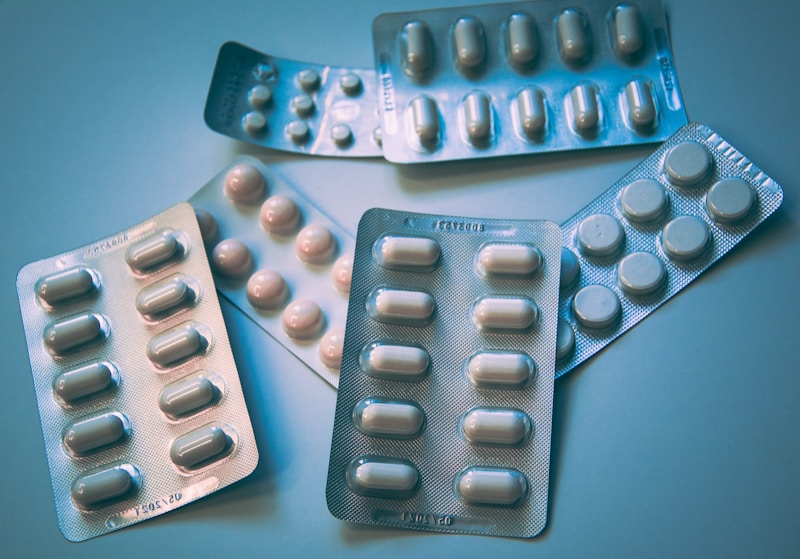
WASHINGTON — The FDA has recalled more than 25,000 bottles of a widely used blood pressure medication after the tablets failed quality testing, raising concerns about whether patients are getting the full dose of the drug.
Inventia Healthcare Limited, an India-based manufacturer, voluntarily initiated two separate recalls for its 25 mg chlorthalidone tablets in 2026. The FDA classified both as Class II recalls, meaning the products may cause temporary or medically reversible health consequences, though the probability of serious harm is considered remote.
The first recall, initiated June 5, 2026, covered 11,460 bottles. The second, initiated September 3 and classified by the FDA on September 17, involved 13,567 bottles. Together, the recalls cover more than 25,000 bottles.
Both recalls were triggered by failed dissolution specifications. Dissolution testing checks whether a tablet breaks down and releases its active ingredient at the correct rate so the body can absorb it properly. When a tablet fails this test, it may be less effective at controlling blood pressure.
Affected batches include lot numbers RISA24001, RISB24002, and RISA24002, all with an expiration date of April 2027.
Chlorthalidone is a diuretic prescribed to treat high blood pressure and reduce the risk of heart attack and stroke. It is one of the most commonly prescribed blood pressure medications in the United States.
Health authorities advise patients not to stop taking their medication without consulting a doctor, as sudden discontinuation can be dangerous. Patients should check their prescription bottle for the lot number and contact their pharmacist or physician if they think their supply may be affected.
Patients whose medication was repackaged into a standard orange pharmacy bottle may not have the original lot number visible and should contact their pharmacist directly.


