FDA Recalls Over 13,000 Bottles of Blood Pressure Drug After Failed Lab Tests
The FDA issued a Class II recall on October 2, 2026, covering 13,567 bottles of 25 mg chlorthalidone tablets after the medication failed laboratory testing. It is the manufacturer's second recall of the drug.
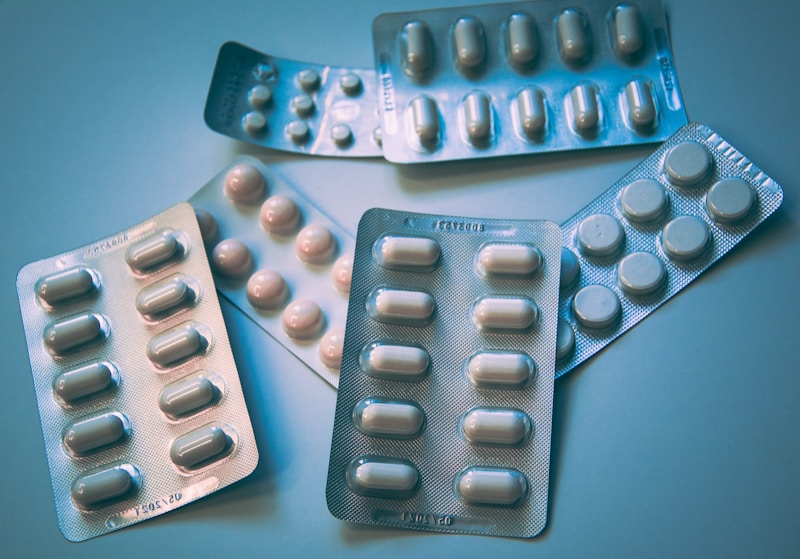
The Food and Drug Administration issued a Class II recall on October 2, 2026, covering 13,567 bottles of 25 mg chlorthalidone tablets. The recall was triggered by failed laboratory tests. It is the manufacturer's second recall of the same medication.
Chlorthalidone is a diuretic used to treat high blood pressure and fluid retention. It is prescribed to millions of Americans and is considered a first-line treatment for hypertension.
A Class II recall indicates that the product may cause temporary or medically reversible adverse health consequences, but the probability of serious harm is low. The FDA uses this classification when a product is defective but unlikely to cause immediate danger.
Patients who have been prescribed chlorthalidone 25 mg tablets should contact their pharmacist or prescribing doctor to determine whether their supply is affected. The FDA advises against stopping blood pressure medication without medical guidance, as abrupt discontinuation can cause dangerous spikes in blood pressure.
The recall is the second involving this manufacturer and this specific dosage. The FDA did not immediately release the name of the manufacturer in its initial announcement.
The agency said it is working with the manufacturer to remove the affected product from the market. Consumers can check the FDA's recall database online to see whether their specific lot number is included.
High blood pressure affects nearly half of American adults, according to the Centers for Disease Control and Prevention. Untreated hypertension raises the risk of heart attack, stroke, and kidney disease.


