Global Mental Health Worsening as Worry and Stress Hit Record Levels, APA Report Finds
A September 2026 report from the American Psychological Association found that global mental health continued to decline, with 39 percent of adults worldwide reporting significant worry and 37 percent reporting high stress in 2025. In the United States, only 29 percent of adults rated their mental health as excellent, down from 43 percent before the pandemic. Younger generations are seeking mental health care at twice the rate of older cohorts.
Global mental health continued to worsen in 2025, according to a report released by the American Psychological Association in September 2026.
The report found that 39 percent of adults worldwide reported feeling significant worry in 2025, while 37 percent reported high levels of stress. Researchers attributed the decline largely to ongoing violence and conflict around the world.
In the United States, only 29 percent of adults rated their mental health as excellent, a sharp drop from 43 percent before the pandemic. Mental health service utilization reached 24 percent in 2025, with Gen Z and millennials seeking care at double the rate of older generations.
The findings come alongside new clinical research published in American Psychiatric Association journals in September 2026. Studies highlighted new treatments for substance use disorders, the use of circadian rhythm stabilization apps to prevent mood episode recurrence, and early trial results for ALKS 7290, an orexin-2 agonist that showed promise in improving adult ADHD symptoms within 14 days.
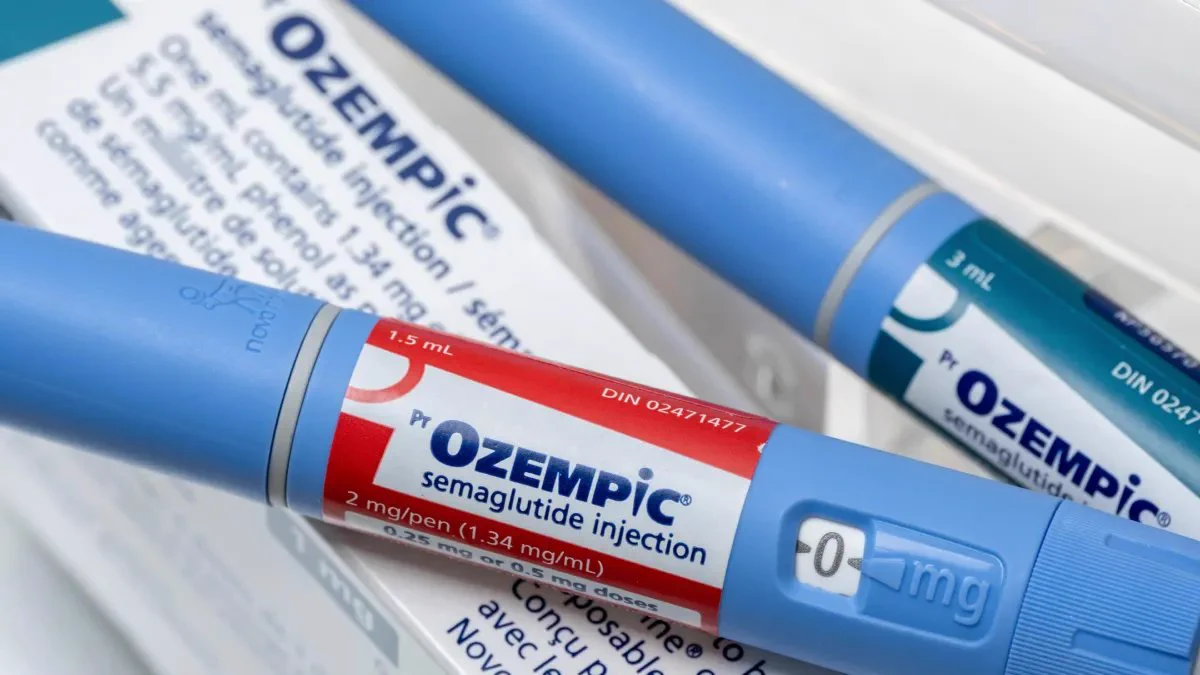
A major study involving 1.9 million people identified a significant link between ADHD and higher rates of digestive problems. Researchers also found that semaglutide may lower the risk of psychiatric hospitalizations for patients with bipolar disorder.
The FDA granted Breakthrough Device designation to a wearable device using transcutaneous alternating current stimulation for the treatment of stimulant use disorder. Separately, clinical reports noted that THC-based medications helped more than one-third of PTSD patients achieve complete relief from recurring trauma-related nightmares.
Mental health advocates said the data underscores the need for expanded access to care, particularly for younger adults who are more likely to seek help but face barriers including cost and provider shortages.
The APA called on policymakers to increase funding for mental health services and integrate mental health care more fully into primary care settings.


