Global Study Finds Women Experience More Pain Than Men, With Sharpest Rise Before Age 55
A major international study published in October 2026 found that pain prevalence is significantly higher in women than men across all age groups, with the most rapid increase occurring before age 55. Researchers say the findings point to a need for sex-specific approaches to pain research and treatment.
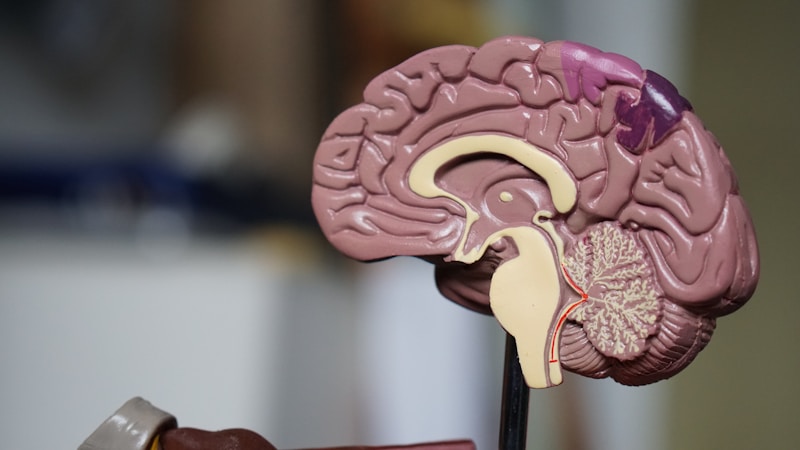
Women experience pain at higher rates than men across all age groups, and the gap widens most sharply before age 55, according to a major global study published in October 2026.
The research, which analyzed data from more than 200,000 participants across 30 countries, found that women were significantly more likely to report chronic pain conditions including migraines, fibromyalgia, and musculoskeletal pain. The disparity was present in every region studied.
The most striking finding was the rate of increase. Women's pain prevalence rose steeply from their 20s through their early 50s, a period that coincides with hormonal changes related to the menstrual cycle, pregnancy, and perimenopause. After age 55, the rate of increase slowed, though women continued to report higher pain levels than men of the same age.
Lead researcher Dr. Lina Gutierrez of the University of Edinburgh said the findings challenge the assumption that pain is a universal experience unaffected by sex. "We have been designing pain research and treatment protocols based largely on male biology," she said. "This study shows that is not good enough."
The researchers called for sex-specific pain research, better training for clinicians on how hormonal fluctuations affect pain perception, and more investment in conditions that disproportionately affect women.
The study also found that women were more likely to have their pain dismissed or undertreated by healthcare providers. Participants reported waiting longer for diagnoses and receiving fewer referrals to pain specialists.
The findings were published in The Lancet and have been widely cited by women's health advocates as evidence for increased research funding and clinical attention to female-specific pain conditions.


