Gyms Are Becoming Health Hubs With Bloodwork, DEXA Scans, and GLP-1 Guidance Built In
Fitness centers across the United States are adding clinical services, including bloodwork, body composition scans, and GLP-1 medication guidance, directly into their membership offerings. The shift reflects a broader move toward preventive, personalized health care outside traditional medical settings.
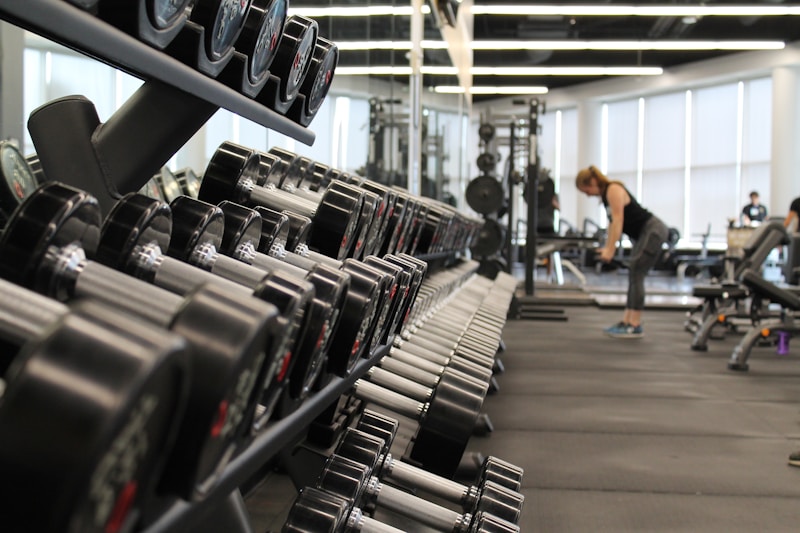
Gyms and fitness centers are expanding beyond exercise equipment and group classes, embedding clinical health services directly into their membership models in a shift that is reshaping how Americans access preventive care.
Facilities across the country are now offering bloodwork panels, DEXA body composition scans, continuous glucose monitor consultations, and guidance on GLP-1 medications like Ozempic and Mounjaro as part of standard or premium memberships. The goal is to position gyms as central hubs for health management, not just fitness.
The trend reflects a broader movement toward what industry analysts are calling "Self-Health," where consumers use direct-to-consumer platforms, at-home testing, and membership-based care to bypass inefficiencies in the traditional health care system.
Concierge medicine, which offers year-round access to a primary care physician for a flat monthly fee, is also seeing significant growth. Some gyms are partnering with concierge medicine providers to offer bundled memberships that include both fitness access and primary care.
GLP-1 medications have become a focal point for gym-based health programs. As more members use these drugs for weight management, fitness centers are developing protocols to help them maintain muscle mass, optimize nutrition, and track body composition changes over time. DEXA scans, which measure bone density and body fat distribution, are particularly useful for monitoring these changes.
The integration of clinical services into fitness settings raises questions about scope of practice and regulatory oversight. Industry groups are working with state health departments to establish guidelines for what services gyms can offer and how they should be staffed.
Proponents say the model meets people where they already are. Americans who exercise regularly are more likely to engage with preventive health services when those services are available in a familiar, non-clinical environment.


