Inflation Hits 3.8 Percent, Highest Since 2023, as Gasoline Prices Surge 28 Percent
The Consumer Price Index rose 3.8 percent over the 12 months ending in April 2026, the largest annual increase since May 2023. Gasoline prices drove much of the gain, rising 28.4 percent year over year, while food and shelter costs also climbed.
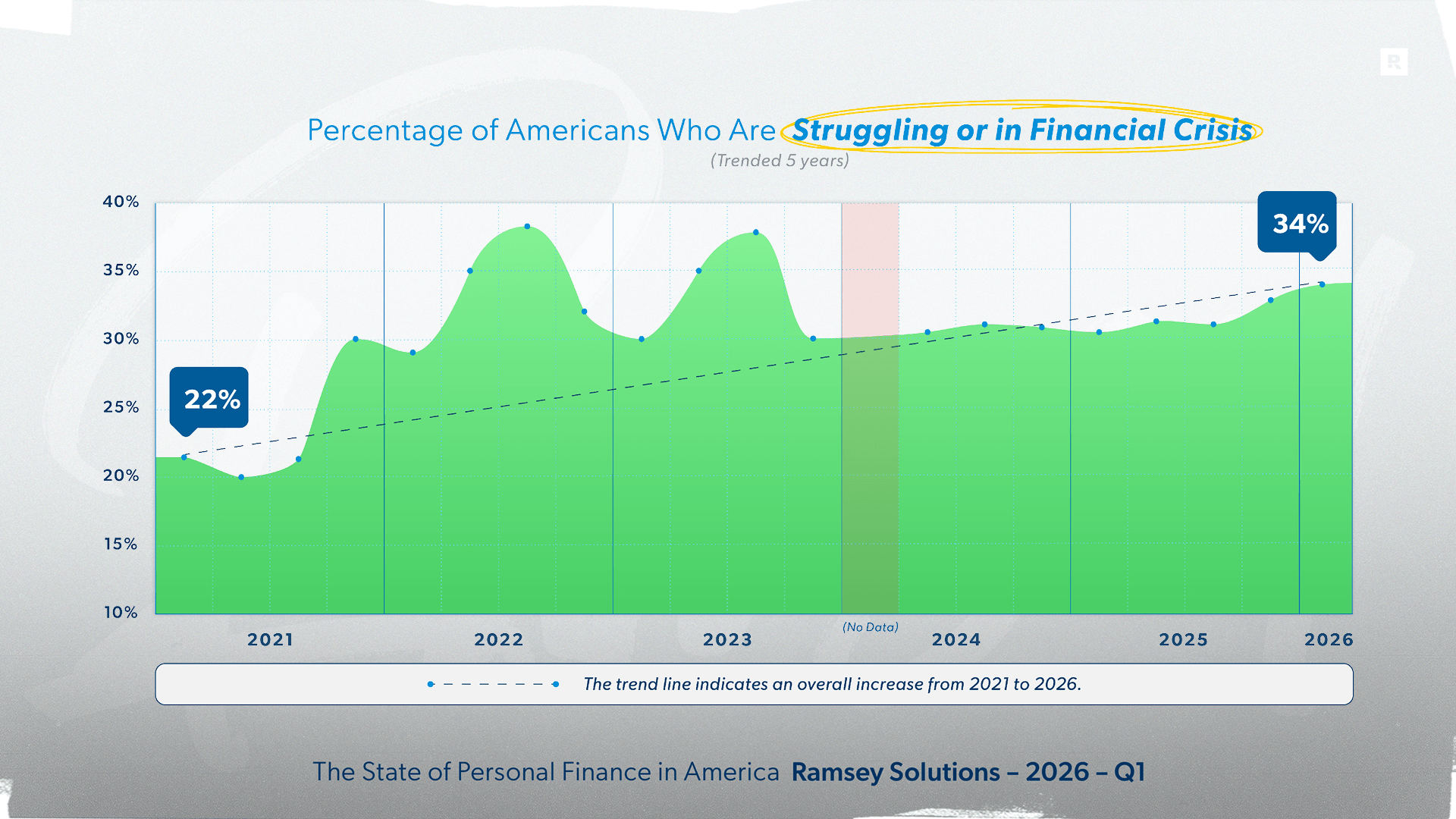
Inflation accelerated in April 2026, with the Consumer Price Index rising 3.8 percent over the prior 12 months, the largest annual increase since May 2023, according to the Bureau of Labor Statistics.
Gasoline prices drove much of the gain, rising 28.4 percent year over year. Food prices climbed 3.2 percent annually, and shelter costs were up 3.3 percent. Core inflation, which strips out food and energy, rose 2.8 percent, well above the Federal Reserve''s 2 percent target.
The monthly CPI increase of 0.6 percent in April followed a 0.9 percent jump in March, signaling that price pressures are not easing quickly.
The Federal Reserve held interest rates unchanged at its June meeting, with officials signaling they need to see more progress before cutting. Elevated rates have pushed mortgage costs higher and made borrowing more expensive for households already stretched by rising prices.
By May, headline inflation climbed further to 4.2 percent, which analysts identified as a potential peak. Mortgage rates, which had climbed sharply in late May, began retreating by mid-June as geopolitical tensions eased following a preliminary peace agreement between the U.S. and Iran. The average 30-year fixed-rate mortgage stood at 6.24 percent as of June 18.
For households, the inflation numbers translate directly into tighter budgets. Fuel costs affect everything from commuting to grocery delivery. Food price increases hit lower-income families hardest, as they spend a larger share of their income on necessities.
Financial advisors are recommending that households review recurring expenses, build or rebuild emergency funds, and avoid carrying credit card balances when possible. Credit card APRs remain near record highs, meaning debt carried month to month is increasingly expensive.