Johns Hopkins Scientists Identify Resistin Protein as a Key Driver of Chronic Inflammation
Researchers at Johns Hopkins Medicine have identified the protein human resistin as a potential cause of damaging inflammatory cycles in the body. The study, published in September 2026, found that resistin activates a specific pathway in immune cells that releases inflammatory chemicals linked to conditions including pulmonary hypertension.
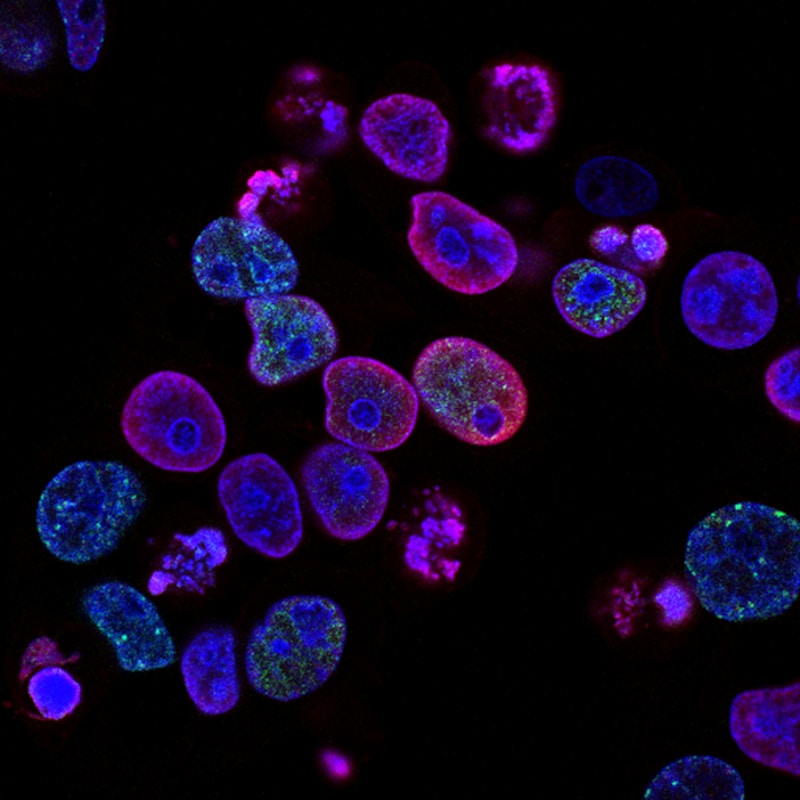
Scientists at Johns Hopkins Medicine have identified human resistin as a protein that may sustain damaging inflammatory cycles in the body, according to research published in September 2026.
The study found that resistin activates the NLRP3 inflammasome within macrophages, a type of immune cell. This activation triggers the release of inflammatory chemicals, including IL-1 beta and IL-18. Researchers found evidence of this pathway in lung tissue samples from patients with pulmonary hypertension, suggesting it is active in human disease.
In preliminary experiments, scientists used targeted antibodies to block resistin. The approach reduced pathway activation, pointing toward a potential therapy that could dampen chronic inflammation without broadly suppressing the immune system.
Chronic inflammation is increasingly recognized as a root cause of serious illness rather than a symptom. It has been linked to cancer, diabetes, cardiovascular disease, and autoimmune disorders. Researchers say the challenge has been finding specific molecular targets that can be addressed without disrupting the immune system's necessary defense functions.
The resistin findings offer one such target. Unlike broad anti-inflammatory drugs, which suppress the entire immune response, a resistin-blocking therapy would aim to interrupt a specific pathway.
Scientists cautioned that the research is still in early stages. Further animal studies and clinical trials are needed before any treatment could be developed for human use.
The study adds to a growing body of work examining the molecular drivers of chronic inflammation. A separate hypothesis gaining attention in 2026 suggests that chronic inflammation arises not from too many inflammatory compounds but from a deficiency in anti-inflammatory compounds, which would make standard anti-inflammatory drugs ineffective for long-term conditions.


