Microplastics in the Brain Linked to Blood Clots and Memory Problems in New Research
A 2026 study published in Science Advances found that microplastics in the bloodstream can obstruct cerebral blood vessels, trapping immune cells and leading to blood clots, impaired memory, and reduced motor coordination in animal models. Brain tissue accumulates between 7 and 30 times more plastic than the liver or kidneys.
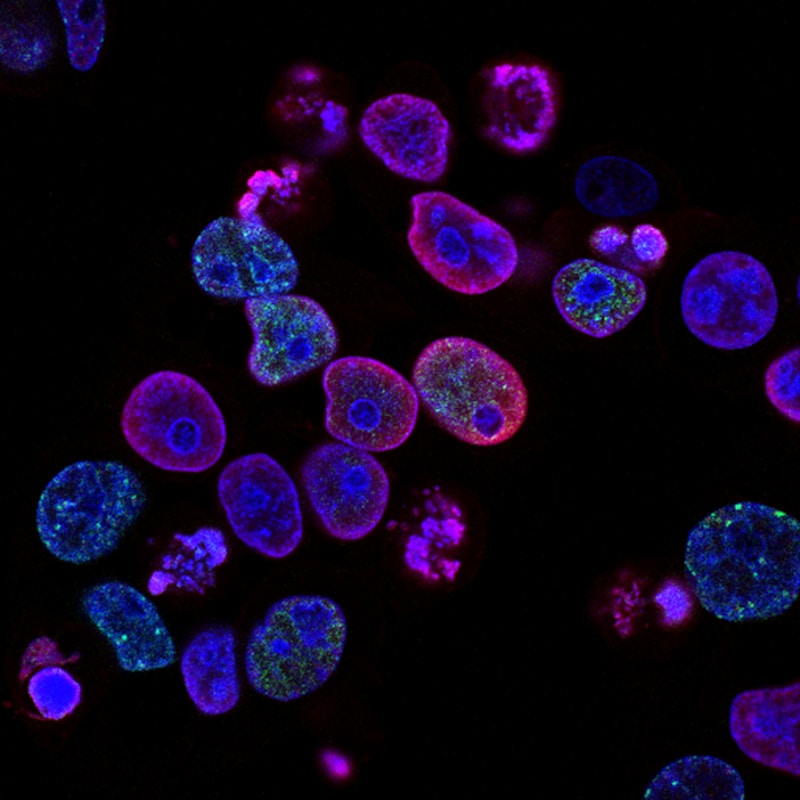
Microplastics circulating in the bloodstream can block blood vessels in the brain, causing clots, memory problems, and reduced motor coordination, according to a 2026 study published in Science Advances.
The research found that microplastic particles trap immune cells in cerebral blood vessels, obstructing blood flow. In animal models, this led to impaired memory and reduced motor coordination.
Separate research has confirmed that microplastics are present in all tested human brain samples. A study led by the University of New Mexico found that concentrations in the brain increased by roughly 50 percent between 2016 and 2024. Brain tissue accumulates between 7 and 30 times more plastic than the liver or kidneys.
Nanoplastics, particles smaller than one micrometer, can cross the blood-brain barrier through a process called transcytosis. Particles may also reach the brain via the olfactory nerve following inhalation.
Once inside the brain, microplastics may trigger chronic neuroinflammation by activating immune cells that cannot break down the plastic. Research also indicates that plastic surfaces can promote the aggregation of proteins linked to Parkinson's and Alzheimer's diseases.
People diagnosed with dementia have been found to carry up to 10 times more microplastics in their brains than age-matched controls without dementia. Researchers caution that current evidence does not prove a direct causal relationship.
No clinical treatment currently exists to remove microplastics from the brain. Public health experts recommend reducing exposure by using HEPA air filters, avoiding heating food in plastic containers, drinking filtered water, and reducing use of synthetic textiles.


