Moderna and Merck mRNA Melanoma Vaccine Shows 49 Percent Reduction in Recurrence Risk
Phase 3 trial results released in September 2026 show that a personalized mRNA melanoma vaccine developed by Moderna and Merck reduced the risk of cancer recurrence or spread by 49 percent. The vaccine is tailored to each patient's specific tumor mutations.
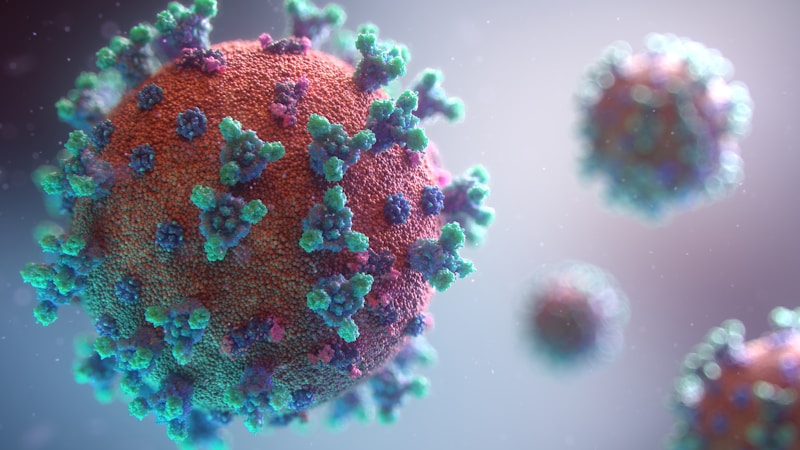
Phase 3 trial results released in September 2026 show that a personalized mRNA melanoma vaccine developed by Moderna and Merck reduced the risk of cancer recurrence or spread by 49 percent.
The vaccine, known as mRNA-4157 or V940, is designed to target the specific mutations found in each patient's tumor. After a tumor is surgically removed, researchers sequence its DNA to identify unique mutations. The vaccine is then manufactured to train the patient's immune system to recognize and attack any remaining cancer cells carrying those mutations.
The 49 percent reduction in recurrence or metastasis was measured against a control group receiving only pembrolizumab, a standard immunotherapy drug. Patients in the trial had stage III or IV melanoma, the most serious form of skin cancer.
Melanoma kills approximately 8,000 Americans each year. While survival rates have improved significantly with immunotherapy, recurrence remains a major challenge for patients with advanced disease.
The results build on earlier phase 2 data that showed a 44 percent reduction in recurrence risk, which had already generated significant interest in the oncology community. The phase 3 results, with a larger patient population and longer follow-up, strengthen the case for the approach.
Moderna and Merck are expected to seek regulatory approval based on the phase 3 data. If approved, the vaccine would represent the first personalized cancer vaccine to reach the market, a milestone that researchers have been working toward for more than a decade.
The results were reported by Healthline and other medical news outlets as part of September 2026 health coverage.