Researchers Identify Five Distinct Brain Profiles of Depression, Pointing Toward Personalized Treatment
Scientists at the University of Helsinki identified five distinct neurophysiological profiles of major depressive disorder using brain imaging technology. The findings, published in Nature Mental Health, suggest that depression is not a single biological condition and could explain why treatments work for some patients but not others.
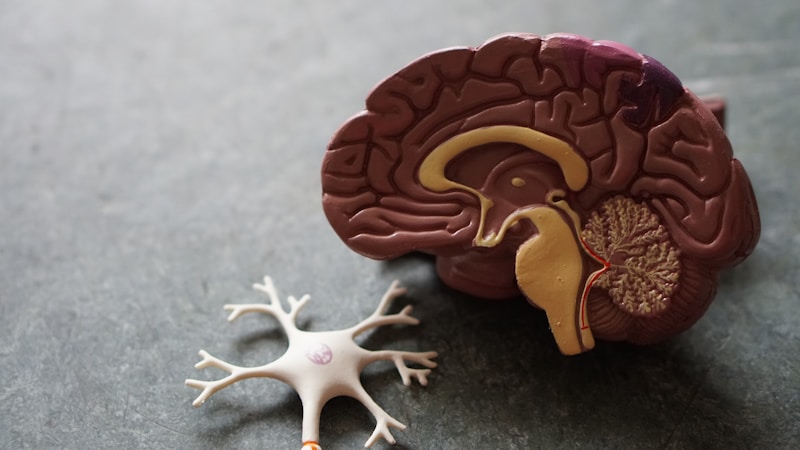
Researchers at the University of Helsinki have identified five distinct brain activity profiles in people diagnosed with major depressive disorder, a finding that could reshape how the condition is treated.
The study, published in Nature Mental Health in 2026, examined 263 patients with major depressive disorder and 75 healthy control subjects. Using magnetoencephalography, a technology that records electrical signals in the brain with millisecond precision, the team identified five groups based on patterns of connectivity between brain regions.
Group 1 showed relatively strong connectivity and was associated with severe symptoms including intense depression, anxiety, rumination, and significant daily functional impairment. Group 2 showed relatively weak connectivity and milder depressive symptoms. Group 3 displayed widespread reduced connectivity and was linked to prominent post-traumatic stress disorder symptoms. Group 4 had a mixed pattern of both unusually strong and weak connections, with severe depression, poor well-being, and substance abuse issues. Group 5 showed the strongest overall connectivity, with substance abuse as the most prominent symptom and fewer trauma-related symptoms.
The discovery that depression can involve opposite neurobiological states, ranging from hyper-connectivity to hypo-connectivity, suggests that standard clinical diagnoses may be too broad. Researchers say this could explain why past studies have produced conflicting results, since averaging these distinct profiles into a single patient population would obscure real differences.
The researchers emphasize that these profiles are not yet ready for clinical use. The long-term goal is to move beyond trial-and-error prescribing by using biological markers to match patients to the most effective therapies.


