Scientists Identify Five Distinct Brain Patterns Associated With Depression
Researchers have identified five distinct brain activity patterns linked to depression, a finding that could help explain why antidepressants work for some patients but not others. The study used brain imaging data from hundreds of participants to map the patterns. Scientists say the discovery could eventually lead to more targeted treatments matched to a patient's specific brain profile.
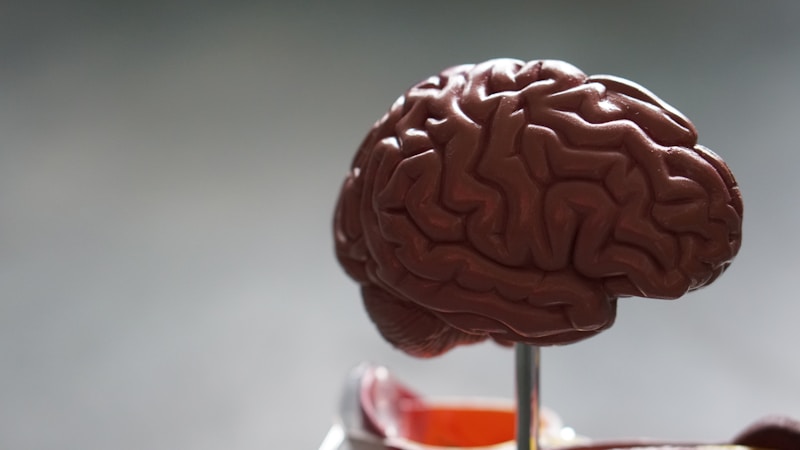
Researchers have identified five distinct brain activity patterns associated with depression, a finding that could help explain why the same antidepressant medication works well for some patients and fails others.
The study used brain imaging data from hundreds of participants to map how different regions of the brain communicate with each other in people diagnosed with depression. Scientists found that patients did not share a single, uniform pattern of brain activity. Instead, they clustered into five distinct groups, each with a different profile of connectivity and activity.
The discovery challenges the long-standing assumption that depression is a single condition with a single biological cause. Researchers say it may be better understood as a family of related conditions that share similar symptoms but have different underlying mechanisms.
That distinction matters for treatment. Current antidepressants are largely prescribed through a trial-and-error process, with patients often trying multiple medications before finding one that works. If brain imaging could identify which pattern a patient has, doctors might be able to match them to the treatment most likely to help from the start.
The research was highlighted in recent scientific news coverage as part of a broader push to develop more personalized approaches to mental health treatment. Several research groups are working on tools that could make brain imaging practical and affordable enough for routine clinical use.
Researchers cautioned that the five patterns identified in the study are a starting point, not a final classification system. Larger studies across more diverse populations are needed to confirm whether the patterns hold up and whether they reliably predict treatment response.
Depression affects more than 280 million people worldwide and is one of the leading causes of disability globally.


