Two-Year Study Finds Diet Sodas as Effective as Water for Weight Loss
A randomized controlled trial published in the British Journal of Nutrition found that diet sodas and other non-nutritive sweetened beverages are as effective as water for long-term weight loss. The SWITCH trial followed 493 overweight adults for 104 weeks. Participants in the diet drink group lost about 10.6 pounds on average, compared to 8.2 pounds in the water group, a difference researchers said was not statistically significant.
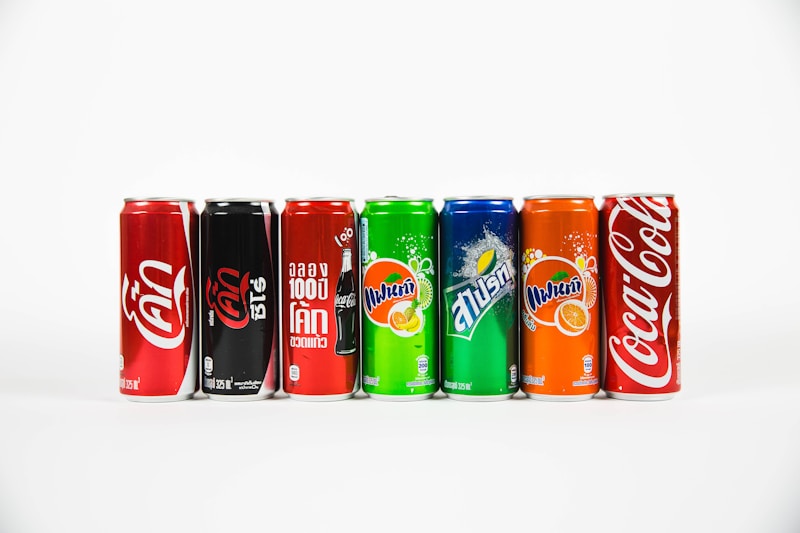
A two-year clinical trial has found that diet sodas work just as well as water for weight loss, challenging earlier guidance from the World Health Organization that advised against using non-sugar sweeteners for weight control.
The SWITCH trial, led by researchers at the University of Liverpool and published in the British Journal of Nutrition, followed 493 overweight or obese adults between the ages of 18 and 65. Participants were enrolled in a structured behavioral weight-management program and randomly assigned to drink either 22.3 ounces of water or the same amount of non-nutritive sweetened beverages daily for 104 weeks.
After two years, the diet drink group lost an average of 10.6 pounds. The water group lost an average of 8.2 pounds. Researchers said the difference was not statistically significant.
Both groups showed improvements in waist and hip circumference, body fat, and metabolic markers. Cholesterol and blood pressure stayed within healthy ranges for both. The study found no evidence that artificial sweeteners increased appetite or caused compensatory eating.
Registered dietitian Alix Turoff said the results suggest diet drinks work through substitution, replacing higher-calorie beverages with zero-calorie ones, rather than any special metabolic effect.
The trial was funded by the American Beverage Association. Researchers said the funders played no role in the study design, analysis, or interpretation. Limitations include the single-site design and the absence of racial and ethnic demographic data.


