UCLA Study Finds Estriol and Progesterone May Ease Menopause Brain Fog After 12 Months
A pilot study from UCLA Health published in September 2026 found that a combination of estriol and progesterone improved working memory, concentration, and processing speed in menopausal women after 12 months of treatment. Researchers caution the results are preliminary and call for larger clinical trials to confirm the findings.
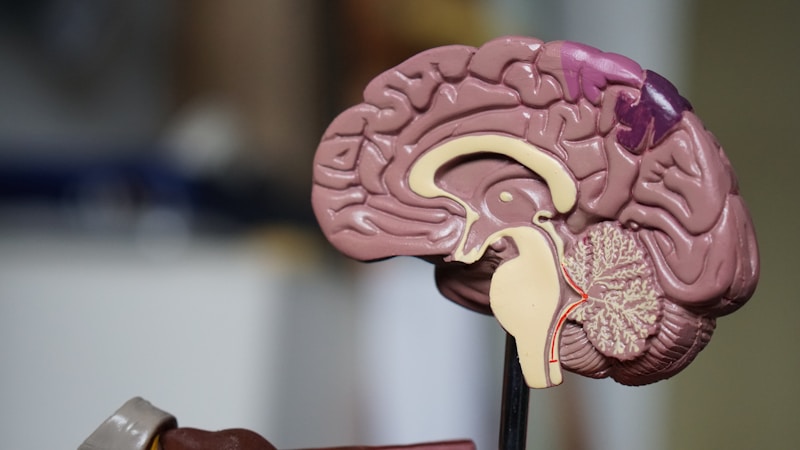
A pilot study from UCLA Health, published in Scientific Reports in September 2026, found that a customized hormone treatment using estriol and progesterone may significantly reduce brain fog in menopausal women.
The study followed 20 menopausal women with an average age of 53 over a 12-month period. Participants received a regimen combining estriol, a natural form of estrogen used in parts of Asia and Europe, with progesterone.
After 12 months, participants reported significant reductions in brain fog intensity and improvements in working memory, verbal memory, concentration, problem-solving, and processing speed.
Lead researcher Dr. Rhonda Voskuhl said estriol may be effective because it binds to different estrogen receptors in the brain than the estradiol typically used in U.S.-based hormone therapies. Preliminary data in female mice suggested the treatment helps protect brain cells and reduces hippocampal atrophy, a region vital for memory and learning.
The study authors emphasized that these results are preliminary. The case series lacked a control group, and larger, randomized, placebo-controlled clinical trials are needed to confirm the findings.
The research adds to a growing body of evidence that menopause-related cognitive symptoms are treatable. A separate study published in the journal Menopause in 2026 found that hormone therapy was associated with marked reductions in severe mood symptoms including irritability, anxiety, and depression.
A major meta-analysis commissioned by the World Health Organization, published in The Lancet Healthy Longevity, also concluded that menopause hormone therapy does not increase or decrease the risk of dementia, helping to address long-standing concerns about its safety.