Women Athletes Get Dedicated Health Platform as Sports Science Gap Draws Attention
A new platform called Optima launched in September 2026 to provide evidence-based health and performance tools specifically for female athletes, addressing what researchers call the "sports science gap." Most sports medicine research has historically been conducted on male subjects, leaving women athletes without tailored guidance. The launch comes as the global women's sports market is projected to reach $3 billion in revenue in 2026.
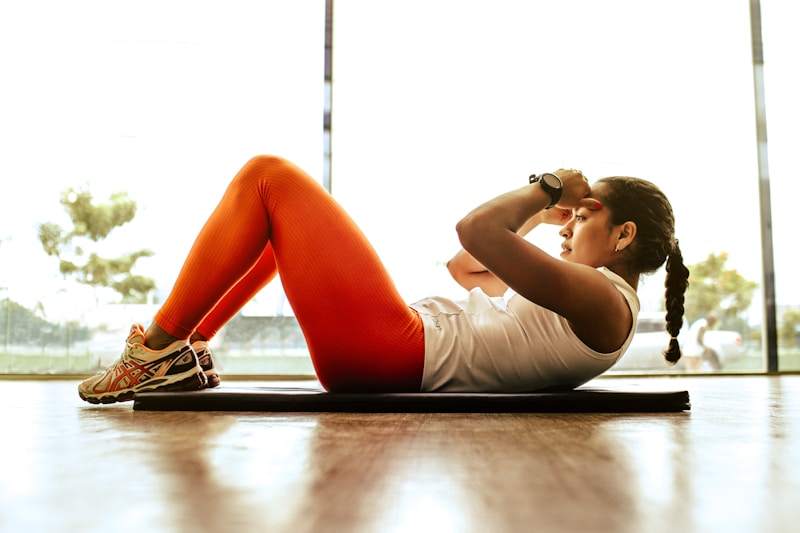
A new health platform called Optima launched in September 2026 with a specific focus on female athletes, aiming to fill what researchers describe as a long-standing gap in sports science.
Most sports medicine research has historically been conducted on male subjects. That means the training protocols, recovery guidelines, and performance benchmarks that coaches and athletes rely on were built largely from data that does not reflect how women's bodies respond to exercise, stress, and recovery.
Optima offers evidence-based tools tailored to female physiology, including guidance on training around hormonal cycles, nutrition strategies specific to women's metabolic needs, and recovery protocols designed for female athletes. The platform draws on research that has emerged over the past decade as scientists have begun studying women athletes more systematically.
The launch comes at a moment of rapid growth in women's sports. The global women's sports market is projected to generate $3 billion in revenue in 2026, driven by rising viewership, increased sponsorship, and the expansion of professional leagues. As more women compete at elite levels, demand for science-backed performance support has grown.
The Global Wellness Summit highlighted the sports science gap in its September 2026 trend report, noting that the lack of female-specific research has real consequences for athlete health and performance. Injuries like ACL tears, for example, occur at higher rates in female athletes, and researchers believe better understanding of hormonal influences on ligament laxity could help reduce those rates.
Optima is one of several platforms and research initiatives that have emerged in 2026 to address the gap. Sports medicine organizations have also begun updating their guidelines to reflect female-specific data as more studies are published.


