Apple Overhauls Siri With New AI Model, Betting on Privacy-First Strategy to Catch Up
Apple is rolling out a major overhaul of its Siri platform, promising more natural conversations, stronger contextual awareness, and deeper integration across its ecosystem. The company is using outside AI partnerships while maintaining its emphasis on privacy and on-device computing.

Apple is rolling out a major overhaul of its Siri platform in 2026, promising more natural conversations, stronger contextual awareness, and deeper integration across its ecosystem of devices and services.
The revamped Siri uses a hybrid model that combines cloud-based intelligence with on-device processing, a design choice that reflects Apple's long-standing emphasis on user privacy. The company is also working with outside AI partners to fill capability gaps while it develops its own models.
The announcement comes after months of questions about whether Apple had fallen behind rivals in generative AI. Google, Microsoft, OpenAI, Anthropic, and Meta have all moved aggressively in the space, releasing increasingly capable AI assistants and tools.
Apple's strategy is to compete on trust rather than raw capability. The company argues that users who care about privacy will choose a system that processes data locally over one that sends everything to the cloud.
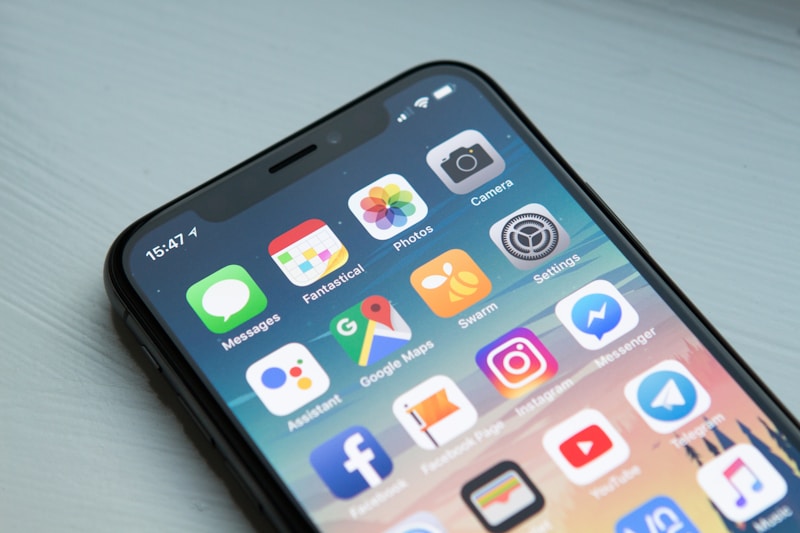
The smartphone is shaping up to be the next major AI battleground. Billions of people interact with digital assistants daily, and the company that builds the most useful, most trusted assistant stands to gain significant loyalty.
U.S. banking regulators are also intensifying scrutiny of how AI is deployed in financial services, according to reports from Reuters. The Federal Reserve and the Office of the Comptroller of the Currency are asking lenders for more detailed information on AI governance, data access controls, and risk management frameworks.
President Trump signed an executive order in June 2026 requiring AI companies to provide frontier models to the federal government for cybersecurity benchmarking 30 days before public release. The order reflects growing concern in Washington about AI safety and national security.
Anthropic expanded access to its advanced AI technology in June 2026 but excluded some cybersecurity capabilities that had attracted attention for their ability to identify software vulnerabilities. The move illustrates how AI firms are experimenting with controlled access models rather than fully open releases.